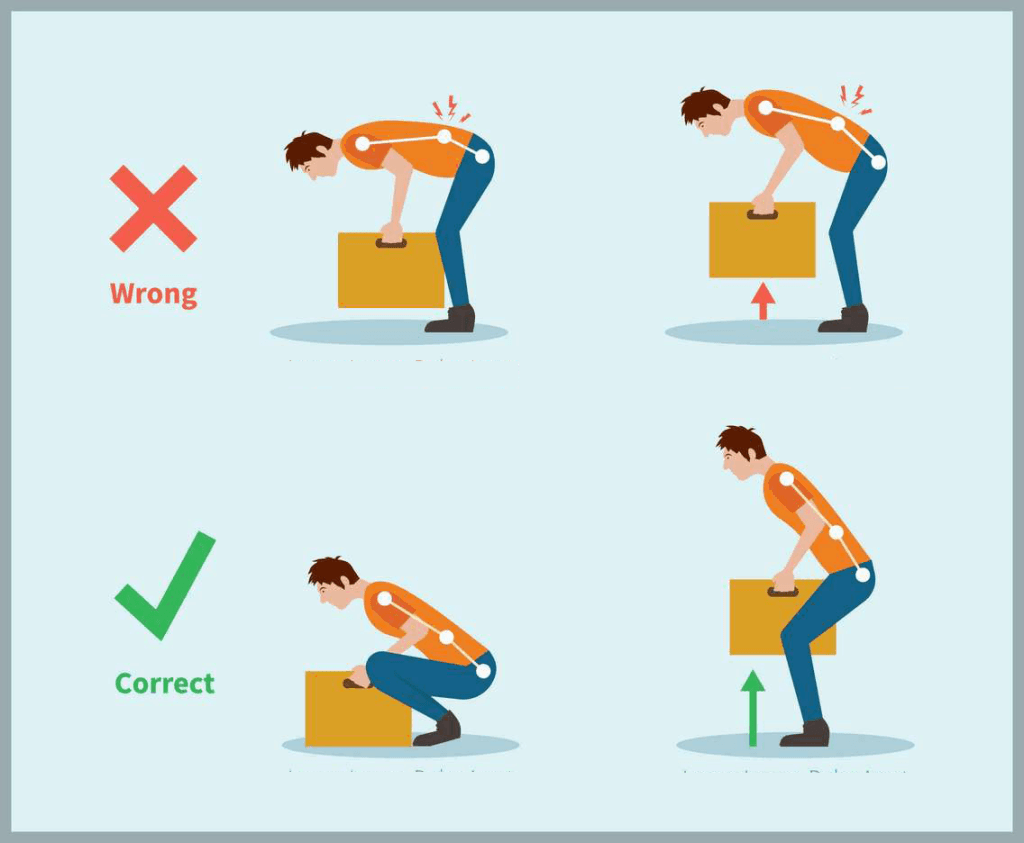
Follow these tips to avoid compressing the spinal discs or straining your lower back when you are lifting:
Keep a wide base of support. Your feet should be shoulder-width apart, with one foot slightly ahead of the other (karate stance).
Squat down, bending at the hips and knees only. If needed, put one knee to the floor and your other knee in front of you, bent at a right angle (half kneeling).
Keep good posture. Look straight ahead, and keep your back straight, your chest out, and your shoulders back. This helps keep your upper back straight while having a slight arch in your lower back.
Slowly lift by straightening your hips and knees (not your back). Keep your back straight, and don’t twist as you lift.
Hold the load as close to your body as possible, at the level of your belly button.
Use your feet to change direction, taking small steps.
Lead with your hips as you change direction. Keep your shoulders in line with your hips as you move.
Set down your load carefully, squatting with the knees and hips only.
Keep in mind:
Do not attempt to lift by bending forward. Bend your hips and knees to squat down to your load, keep it close to your body, and straighten your legs to lift.
Never lift a heavy object above shoulder level.
Avoid turning or twisting your body while lifting or holding a heavy object.
Thoracic outlet syndrome is a group of disorders that occur when blood vessels or nerves in the space between your collarbone and your first rib (thoracic outlet) are compressed. This can cause pain in your shoulders and neck and numbness in your fingers.
Common causes of thoracic outlet syndrome include physical trauma from a car accident, repetitive injuries from work- or sports-related activities, certain anatomical defects (such as having an extra rib), and pregnancy. Sometimes the cause of TOS is hard to be determined.
When I get any client that I suspect to be having TOS, the very import first step is to do a thorough history taking and assessment so that I can come up with a sound diagnosis.
Signs and Symptoms
Some of the most common symptoms include:
Paraesthesia in extremities (numbness or tingling in your hands and arms)
Pain and weakness
Occipital headaches
These symptoms can range from mild to severe.
Being aware of the symptoms and sensations you are experiencing can help with proper diagnosis and treatment.
Physiotherapy Treatment
Possibly the most common treatment for thoracic outlet syndrome is Physiotherapy. Physiotherapy offers you a variety of treatment options to find relief from your specific TOS symptoms. Here are just a few approaches to TOS that may be used by your PT;
CHEST STRENGTHENINGStrengthening the muscles of the chest can help relieve compression.
Strengthening the muscles of the chest can help relieve compression.
Correcting your posture by building muscle can aid in reducing pain, discomfort, and help prevent future occurrences.
NECK STRETCHES
Neck stretches are commonly recommended for patients with TOS.
A great way to stretch your neck, even if you don’t have thoracic outlet syndrome, is to roll up a towel and place it on the floor behind your neck. Gently nod your head up and down, allowing the towel to both support and stretch the neck.
SHOULDER STRETCHES
Since much of the neuralgia and pain can be in the shoulder, stretching those muscles can feel great. One example is to stand with your back straight and arms at 90-degree angles, hands pointing out. This stretch can relieve tension in your shoulders and chest.
Gently squeeze the shoulder blades together, opening the chest to do so.
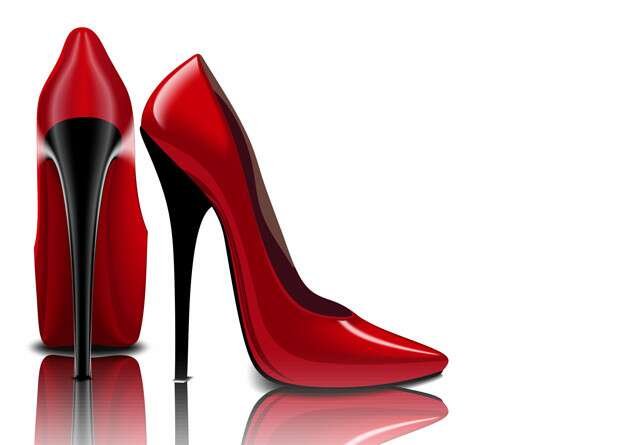
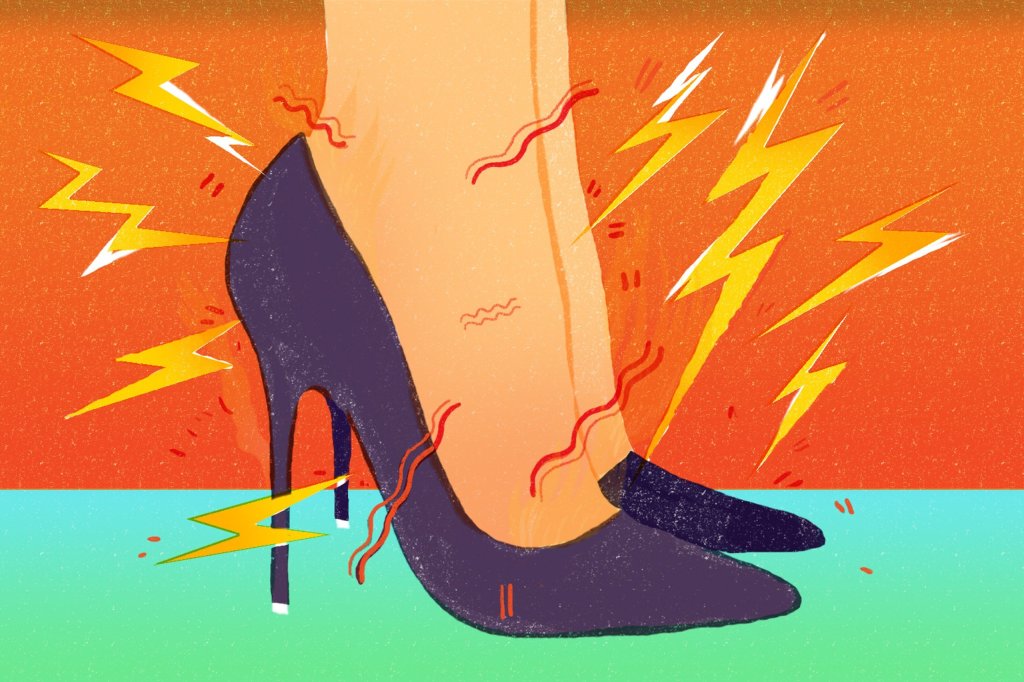
Wearing high heelers makes women look more smart, elevated and classy or say more sexier. But with all that beautiful catchy and classy look comes a cost or a price to pay at the long-run.
Your feet impact how your entire body moves and functions, and your shoes affect that stability and posture, making your choice of footwear very important because our body mechanics get completely altered with every choice of footwear.
You want comfort, stability and support for proper alignment – but you want to look good too. And we all know high heels look good!
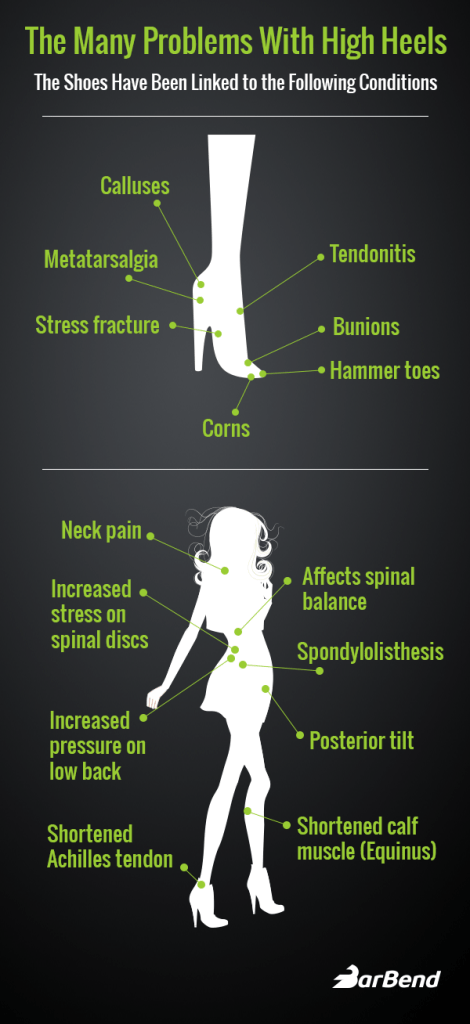
What are some of the problems one can experience from wearing high heels??
Extra pressure on the balls of your feet and knees, affecting walking speed and stride length, which alters your biomechanics
Tense calf muscles
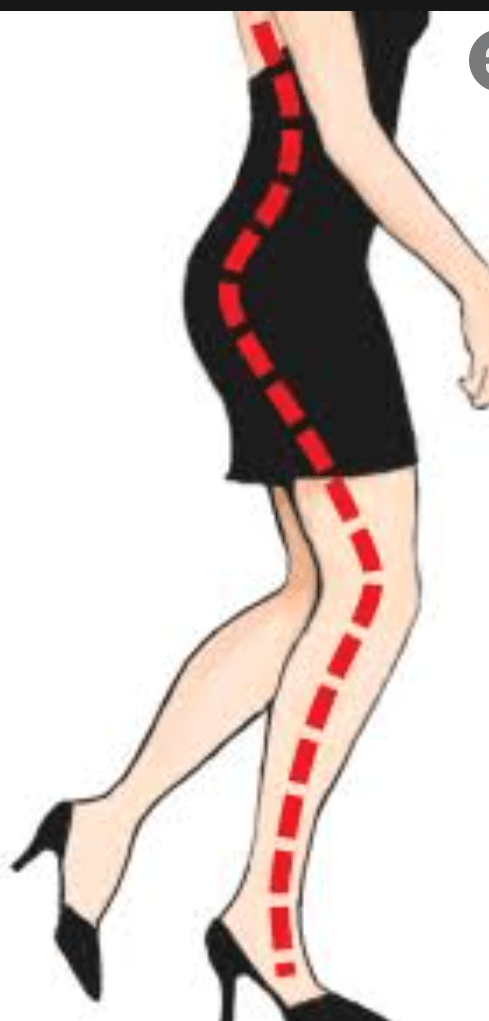
Your hips and spine moving out of alignment
The forward curve of your lower back decreasing or flattening out, which can cause muscle strains leading to back pain over time
When our body biomechanics are altered we at some point start experiencing strains because the stability of the body gets compromised and we have to adapt to new ways of gaining stability.
If you are wearing high heels frequently and experiencing daily back pain you should get relief with an assessment from a physiotherapist.
Contact us on 0742078333 via call or whatsapp to book an appointment or do an online consultation.
You knew pregnancy was going to mean a lot of firsts — like feeling the incredible first flutter of baby moving in your belly. But back pain that just won’t go away? That might not have been quite the experience you had in mind when you first envisioned yourself with that proverbial pregnancy glow.
While a majority of mothers-to-be experience some dull, throbbing aches in the middle of the back or the butt, they may be having sciatica, a painful but fortunately temporary condition.
Sciatica is a sharp, shooting pain, tingling or numbness that starts in the back or buttocks and radiates all the way down the backs of your legs.
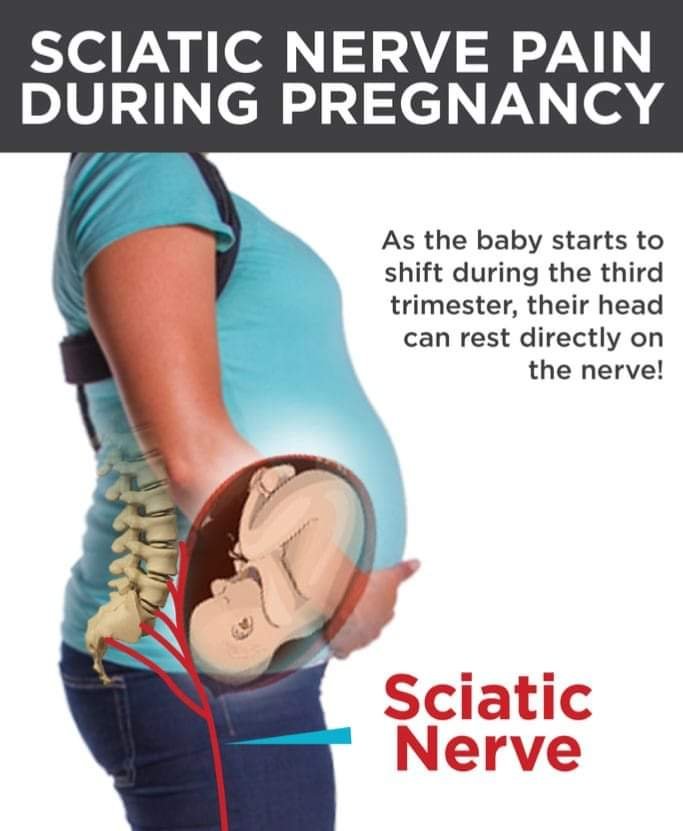
The sciatic nerve, the largest in the body, starts in the lower back, runs down the buttocks and branches down the back of the legs to the ankles and feet. In most cases, sciatica happens when this nerve gets compressed by bulging, slipped or ruptured discs, arthritis, or a narrowing of the spinal cord
What causes Sciatica in pregnancy??
When you’re pregnant, the body releases a hormone called relaxin. It’s designed to relax your ligaments and prepare your pelvis for childbirth. However, loose ligaments and a growing uterus can shift your center of gravity and pinch the sciatic nerve, leading to shooting pains down your legs.
Basic modifications and Treatments to relieve sciatica pain during pregnancy.
Use a warm compress on the spot where you feel the pain.
When you can, take a break off of your feet. Resting in a comfortable position can ease some leg and lower back pain.
Sleep on the side of your body that’s pain-free. For example, if you feel pain on your left side, lie down on your right side. That’s still okay, even though the “best” sleeping position for pregnant women is typically said to be the left side.
For extra comfort at night, use a firm mattress with plenty of back support. You can also place a pregnancy pillow or a regular pillow between your legs to help keep the pelvis in better alignment and take some pressure off the sciatic nerve.
Try to avoid sitting for long stretches. Take frequent walking breaks and try alternating between your desk (or the couch) and a Pilates ball.
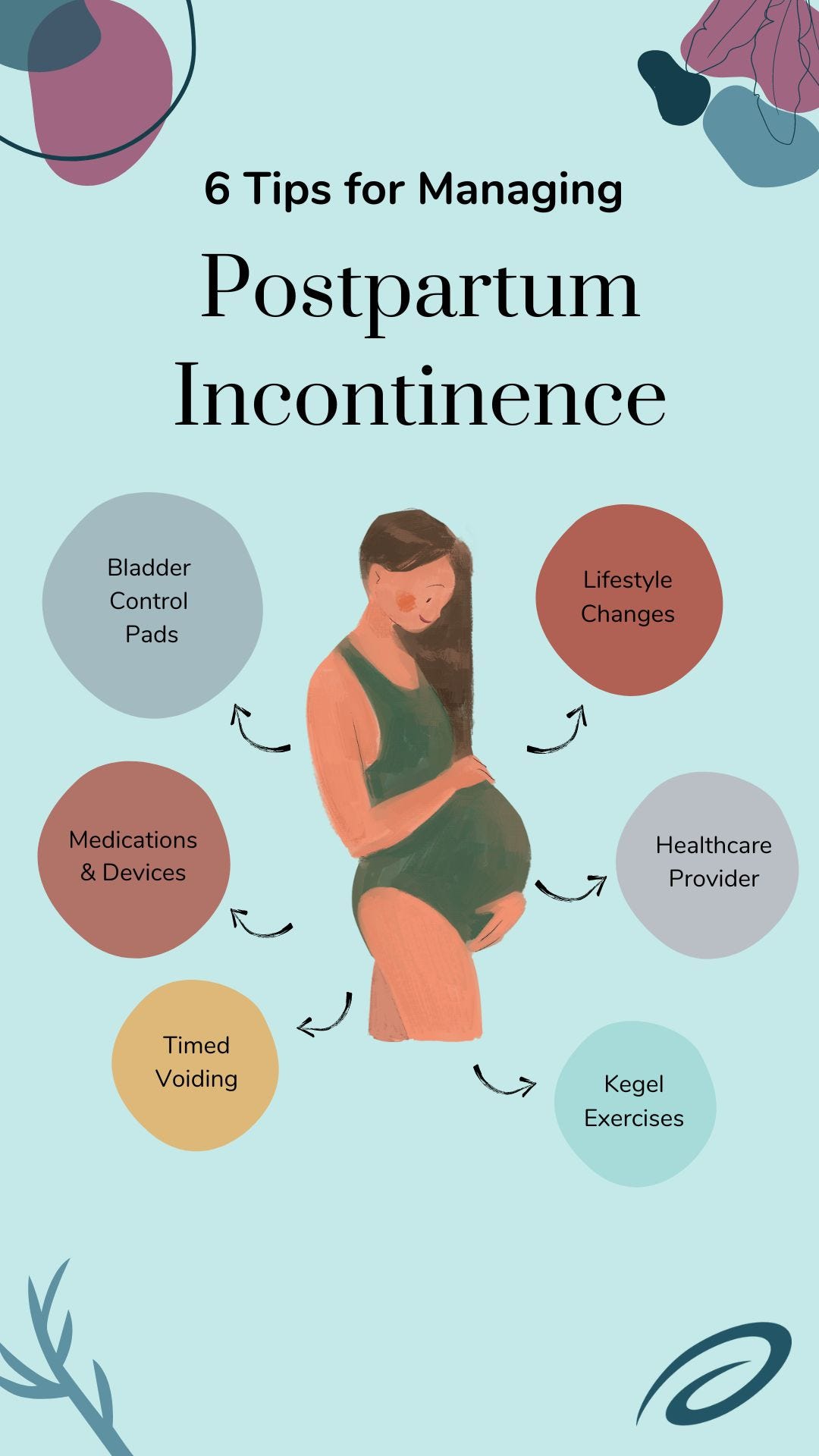
Do some pelvic tilts with your Kegel exercises. They’ll help strengthen your core muscles.
Try swimming. It can take off some of the pressure, since the buoyancy of the water temporarily relieves the spine of the pregnancy weight.
Consider therapeutic prenatal massage and Customized physical therapy regimens can be helpful too.
If the pain is severe, talk to us via call/Whatsapp on 0742078333 and we can offer the help that you need.
Title: BENEFITS OF LATE STAGE ANTERIOR CRUCIATE LIGAMENT REHABILITATION TO PREVENT RE-INJURY AND MAXIMIZE ATHLETIC PERFORMANCE
NAME: ALEX OMWERI AMREF INTERNATIONAL UNIVERSITY, School of Health Sciences, Nairobi Kenya.
The ACL provides approximately 85% of the total restraining force of anterior translation. It also prevents excessive tibial medial and lateral rotation, as well as varus and valgus stresses. As a consequence of its complex role in the kinematics of the knee, when an ACL injury occurs, there are both clinical signs and subjective instability. ACL injuries occur most often during sports that involve sudden stopping and starting, jumping or quickly changing direction such as rugby, lacrosse and sprinting. ACL injuries are characterized by knee swelling, pain, instability and sometimes are severe enough to require surgery. However, healing from an ACL injury doesn’t end with surgery. To optimize recovery, patients need to also engage in rehabilitation. Rehabilitation following ACL reconstruction has undergone a relatively rapid and global evolution over the past 25 years. Despite these recent advances, the re-tear rate remains alarmingly high and athletic performance deficits persists after completion of the rehabilitation course in a large percentage of clients. Significant deficits may persists in strength, muscular activation, power, postural stability, lower extremity mechanics and psychological preparedness. Many patients continue to demonstrate altered movement mechanics associated with increased injury risks. The purpose of this proposal will be to describe the benefits of late stage ACL rehab to limit re-injury and maximize athletic performance. Biography: I am a licensed physiotherapist with a Diploma in physiotherapy and a Higher Diploma in Orthopedic Manual Therapy. Currently I am pursuing my Undergraduate Degree at AMREF International University and. I’m also the Director of Activezone Physiotherapy and Sports Injuries Clinic. Name: ALEX OMWERI Email: omweri4@gmail.com Phone Number/WhatsApp No: +254 734 414083
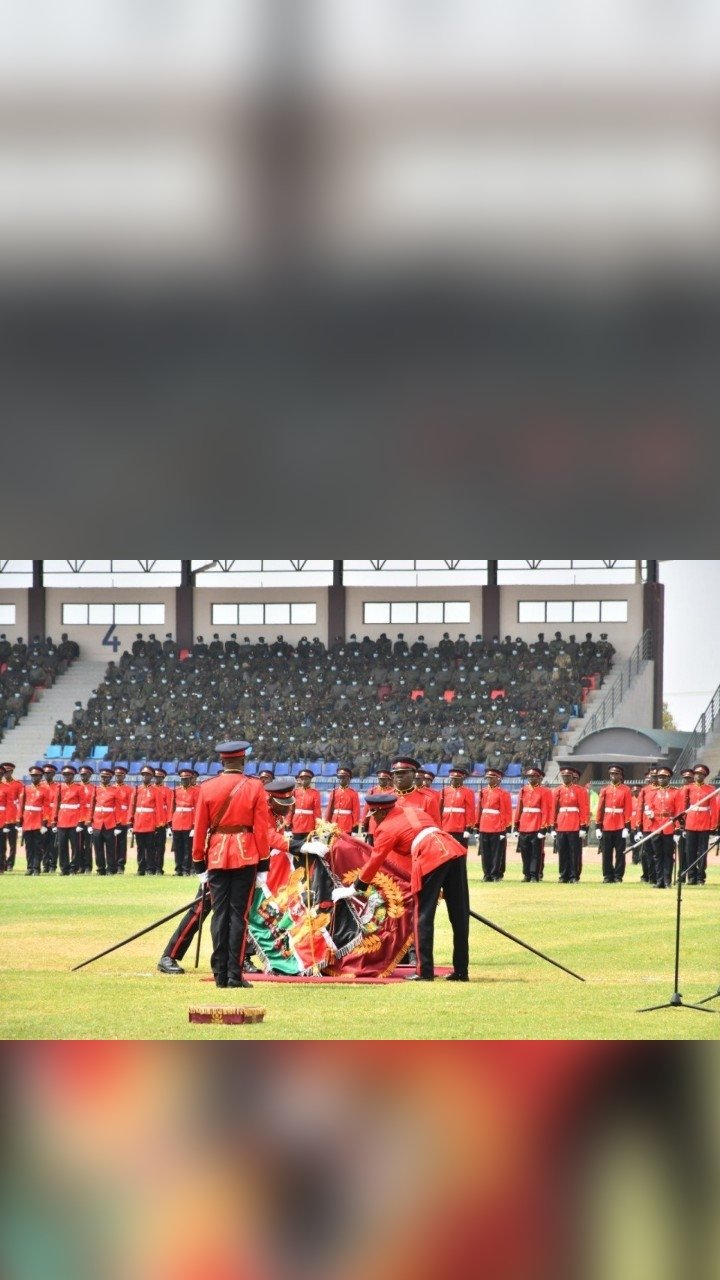
KDF Day is observed annually to Commemorate and to celebrate the acts of valor and gallantry by KDF heroes and heroines. This special day has been observed since October 2012 following the launch of Operation Linda Nchi in October 2011.
Special Appreciation I take this opportunity to appreciate all my former colleagues for their great service to the soldiers and their families. I also remain indebted to all of you for the support that you gave me during my time of service and I will forever live to celebrate this day with you.
May the Almighty God bless you all and bless the entire KDF fraternity.
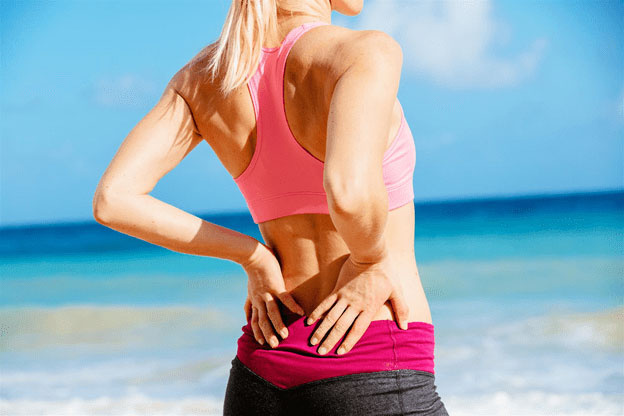
Low back pain is the most common cause of visits to my clinic.
In our country the prevalences is high but no much studies have been conducted to support my sentiments on prevalence but I can tell from the visits My colleagues and I get at the clinics.
Most visits are from people working in offices and companies especially in the urban places and that brings to my attention and the entire Physiotherapy fraternity on the importance of movement because our bodies were meant to move and not to be stationery in offices not forgetting proper sitting posture and lifting mechanics.
What are some of the causes of Low back pain?
Strains
The muscles and ligaments in the back can stretch or tear due to excess activity. Symptoms include pain and stiffness in the lower back, as well as muscle spasms. Rest and physical therapy are remedies for these symptoms.
Disc injury
The discs in the back are prone to injury. This risk increases with age. The outside of the disc can tear or herniate.
A herniated disc, which is also known as a slipped or ruptured disc, occurs when the cartilage surrounding the disc pushes against the spinal cord or nerve roots. The cushion that sits between the spinal vertebrae extends outside its normal position.
This can result in compression of the nerve root as it exits from the spinal cord and through the vertebral bones. Disc injury usually occurs suddenly after lifting something or twisting the back. Unlike a back strain, pain from a disc injury usually lasts for more than 72 hours.
Sciatica
Sciatica can occur with a herniated disc if the disc presses on the sciatic nerve. The sciatic nerve connects the spine to the legs. As a result, sciatica can cause pain in the legs and feet. This pain usually feels like burning, or pins and needles.
Spinal stenosis
Spinal stenosis is when the spinal column narrows, putting pressure on the spinal cord and spinal nerves.
Spinal stenosis is most commonly due to degeneration of the discs between the vertebrae. The result is compression of the nerve roots or spinal cord by bony spurs or soft tissues, such as discs.
Pressure on the spinal nerves causes symptoms such as:
numbness
cramping
weakness
You might feel these symptoms anywhere in the body. Many people with spinal stenosis notice their symptoms worsen when standing or walking.
These are congenital conditions that are usually first diagnosed during childhood or adolescence. The abnormal curvature causes pain and poor posture because it places pressure on:
muscles
tendons
ligaments
vertebrae
Other conditions
There are a number of other conditions that cause lower back pain. These conditions include:
Fibromyalgia is long-term pain and tenderness in the joints, muscles, and tendons.
Spondylitis is inflammation of the joints between the spinal bones.
Spondylosis is a degenerative disorder that may cause loss of normal spinal structure and function. Although aging is the primary cause of the condition, the location and rate of degeneration is specific to the individual.
Additional health conditions that can cause lower back pain include:
All the above are possible causes and it will always need a thorough history taking and assessment for me as a Physiotherapist to come up with a proper diagnosis. At some point we may require some images to support our findings in order to go to the next step of planning on the management which will entail short and long term goals of our treatment plan which include; Decrease painful symptoms in the lower back and/or leg Improve low back function to tolerate daily activities as independently as possible Increase the spine’s flexibility and improve its range of motion Formulate a maintenance program to prevent the recurrence of back problems
Physiotherapy Management of Low back pain😎
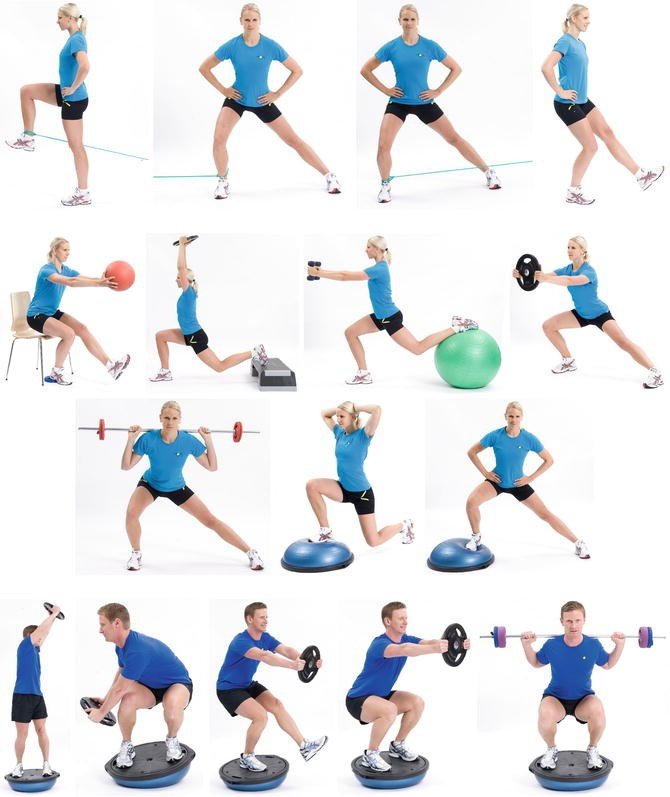
Most cases of lower back pain respond well to a program of manual therapy and graded exercises. Manual therapy can include soft tissue massage, joint mobilisations and spinal manipulations. These techniques reduce pain and help to restore movement. Other treatments include; electrotherapy agents like TENS, moist heat therapy, ultrasound therapy, and dry needling.
For more information contact us @Activezone physiotherapy clinic on: 074207833 via call or whatsapp.



 Alex Omweri