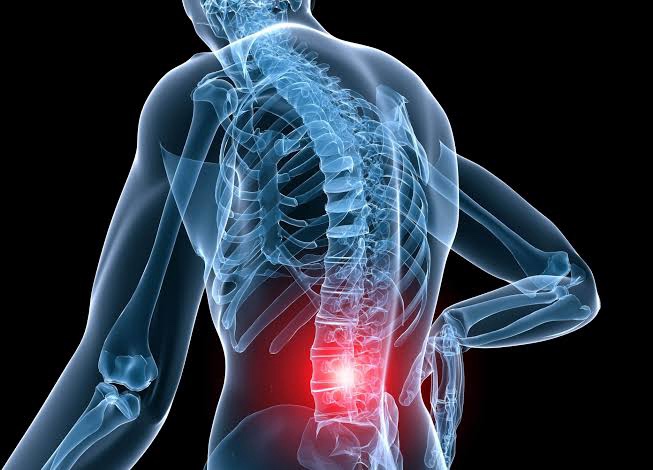
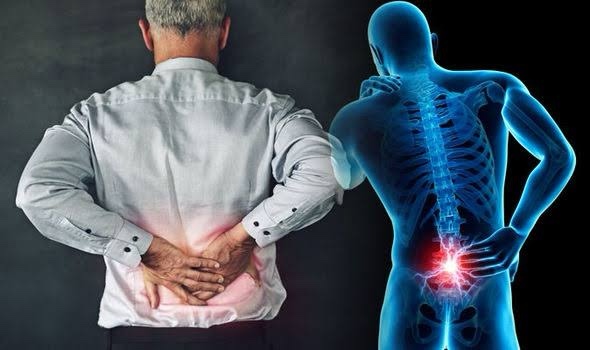
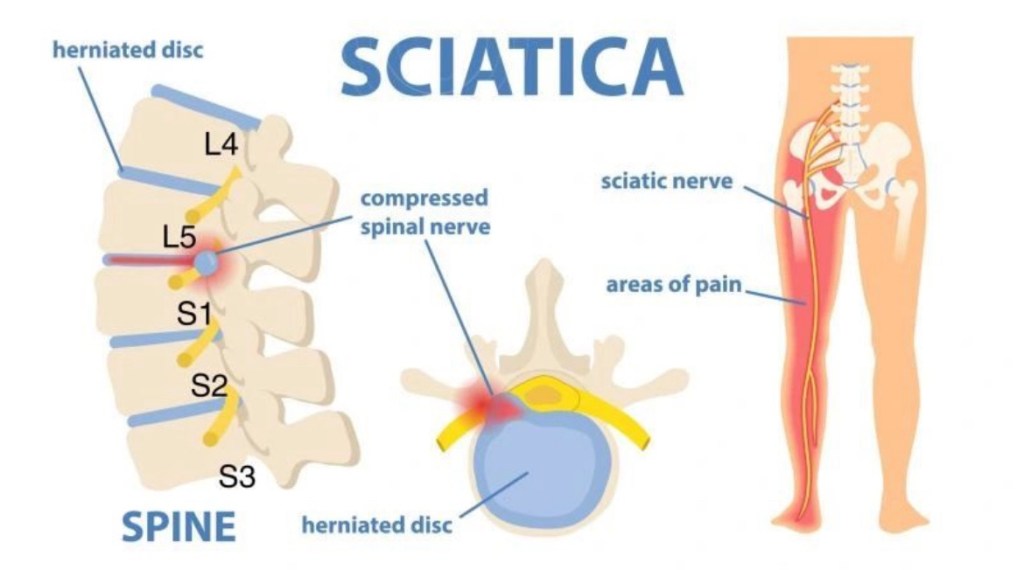
Optimal Physiotherapy Approach for Sciatica

Comprehensive Assessment •Thorough Evaluation: Begin with an in-depth assessment including patient history, physical examination, and potentially imaging studies to identify the root cause of sciatica.

•AROM,PROM,RROM at all direction and NTT

Pain Management Strategies•Heat and Cold Therapy: Use heat packs to relax muscles and cold packs to reduce inflammation and numb pain. •Manual Therapy: Employ spinal mobilization, manipulation, and soft tissue massage to alleviate pain and enhance mobility. Exercise and Physical Activity •Stretching Exercises: Focus on stretches for the piriformis, hamstrings, and lower back to relieve nerve tension and improve flexibility. •Strengthening Exercises: Strengthen core, gluteal, and lower back muscles to support the spine and reduce nerve compression. •Aerobic Exercise: Integrate low-impact aerobic activities such as walking, swimming, or cycling to boost overall fitness and aid in pain management. Postural and Ergonomic Education

•Postural Training: Teach patients how to maintain proper posture during daily activities to prevent sciatic nerve irritation.
•Ergonomic Adjustments: Recommend changes in the workplace and home environment to support ergonomic practices and minimize back strain. Patient Education and Self-Management

•Activity Modification: Advise on modifying daily routines to avoid movements that worsen sciatica, and provide safe techniques for performing tasks.
•Home Exercise Program: Develop a personalized home exercise plan to ensure continuous improvement and prevent recurrence.

Advanced Therapeutic Techniques

•Electrotherapy: Utilize TENS (Transcutaneous Electrical Nerve Stimulation) for localized pain relief.

•Hydrotherapy: Encourage water-based exercises to reduce spinal load and enhance mobility.

Continuous Monitoring and Follow-Up
•Regular Check-Ups: Schedule follow-up sessions to track progress, adjust treatment plans, and address any new issues promptly.

By integrating these strategies, the physiotherapy approach becomes more effective in not only alleviating pain but also promoting long-term recovery and preventing future episodes of sciatica.
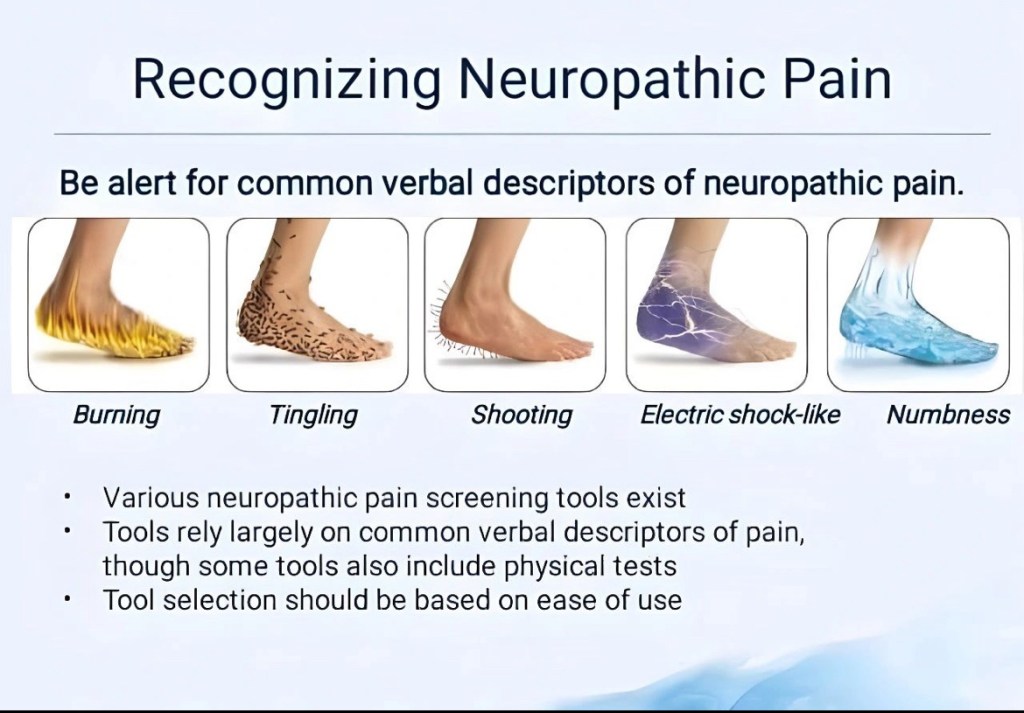
🌟 Understanding Neuropathic Pain: Types and Physical Therapy Protocols 🌟

Neuropathic pain, stemming from nerve damage or dysfunction, presents a unique challenge in healthcare. Let’s delve into its types and explore effective physical therapy protocols:

Types of Neuropathic Pain:

  1. Peripheral Neuropathy:
    Resulting from damage to peripheral nerves, often due to conditions like diabetes, peripheral neuropathy manifests as tingling, numbness, or shooting pain in extremities.
  2. Central Neuropathic Pain:
    Arising from dysfunction in the central nervous system (brain or spinal cord), central neuropathic pain can occur post-stroke, spinal cord injury, or conditions like multiple sclerosis. It’s characterized by constant burning, electric shocks, or stabbing sensations.
  3. Complex Regional Pain Syndrome (CRPS):
    CRPS typically follows trauma or injury, leading to severe, continuous pain disproportionate to the initial injury. It’s often accompanied by changes in skin color, temperature, and swelling.

Physical Therapy Protocols:

  1. Exercise Therapy:
    Tailored exercises focusing on flexibility, strength, and mobility help alleviate neuropathic pain. Activities like yoga, Pilates, and tai chi improve circulation, reduce muscle tension, and enhance overall function.
  2. Manual Therapy:
    Techniques such as massage, joint mobilization, and soft tissue manipulation target specific areas of pain, promoting relaxation, reducing inflammation, and improving nerve function.
  3. Modalities:
    Modalities like TENS, ultrasound, and heat/cold therapy provide pain relief by modulating nerve activity, reducing inflammation, and promoting tissue healing.
  4. Education and Lifestyle Modifications:
    Patient education about neuropathic pain, pain management techniques, and lifestyle adjustments (ergonomics, activity pacing) empower individuals to better manage their symptoms and improve quality of life.
  5. Psychological Support:
    Addressing the psychological impact of neuropathic pain through techniques like cognitive-behavioral therapy (CBT) and relaxation methods is crucial for comprehensive pain management.
  6. Aquatic Therapy:
    Water-based exercises offer pain relief, improve mobility, and strengthen muscles without excessive joint stress, making them ideal for individuals with neuropathic pain.

By combining these physical therapy interventions with medical management and a multidisciplinary approach, we can effectively manage neuropathic pain and enhance the well-being of those affected.

𝗔 𝘀𝘁𝗿𝗼𝗻𝗴 𝗯𝗮𝗰𝗸 𝗶𝘀 𝘁𝗵𝗲 𝗳𝗼𝘂𝗻𝗱𝗮𝘁𝗶𝗼𝗻 𝗳𝗼𝗿 𝗮 𝘀𝘁𝗿𝗼𝗻𝗴 𝗯𝗼𝗱𝘆 𝗮𝗻𝗱 𝗮 𝘀𝘁𝗿𝗼𝗻𝗴 𝗺𝗶𝗻𝗱. 💪

Back pain can be caused by a variety of factors, including:

  1. Poor posture: Sitting or standing with poor posture can put unnecessary stress on your back muscles, leading to pain.
  2. Strains and sprains: Activities that involve lifting heavy objects or sudden twisting motions can cause strains and sprains in the muscles and ligaments of the back.
  3. Herniated or bulging discs: The discs in your spine can bulge or rupture, causing pressure on the nerves in your back and resulting in pain.
  4. Arthritis: Osteoarthritis and other forms of arthritis can cause inflammation and pain in the joints of the spine.
  5. Spinal stenosis: This is a condition where the spinal canal narrows, putting pressure on the nerves and causing pain.
  6. Osteoporosis: This condition causes bones to become weak and brittle, increasing the risk of fractures and compression fractures in the spine.
  7. Scoliosis: This is a curvature of the spine that can cause pain, especially as it hashtag#progresses.
  8. Infections or tumors: In rare cases, infections or tumors in the spine can cause back pain.
  9. Obesity: Excess weight can put additional stress on the spine and lead to back pain.
  10. Poor physical fitness: Lack of hashtag#exercise and poor physical fitness can weaken the muscles of the back, making them more prone to injury and pain.

✅ Regular exercise can strengthen the muscles of the back and improve flexibility, reducing the risk of back pain. It can also help to alleviate existing back pain.

𝗜𝘁’𝘀 𝗶𝗺𝗽𝗼𝗿𝘁𝗮𝗻𝘁 𝘁𝗼 𝗰𝗼𝗻𝘀𝘂𝗹𝘁 𝘄𝗶𝘁𝗵 𝗮 𝗵𝗲𝗮𝗹𝘁𝗵𝗰𝗮𝗿𝗲 𝗽𝗿𝗼𝗳𝗲𝘀𝘀𝗶𝗼𝗻𝗮𝗹 𝗯𝗲𝗳𝗼𝗿𝗲 𝘁𝗿𝘆𝗶𝗻𝗴 𝗮𝗻𝘆 𝗻𝗲𝘄 𝘁𝗿𝗲𝗮𝘁𝗺𝗲𝗻𝘁𝘀, 𝗮𝘀 𝘀𝗼𝗺𝗲 𝗺𝗮𝘆 𝗯𝗲 𝗰𝗼𝗻𝘁𝗿𝗮𝗶𝗻𝗱𝗶𝗰𝗮𝘁𝗲𝗱 𝗼𝗿 𝗺𝗮𝘆 𝗶𝗻𝘁𝗲𝗿𝗮𝗰𝘁 𝘄𝗶𝘁𝗵 𝗲𝘅𝗶𝘀𝘁𝗶𝗻𝗴 𝗺𝗲𝗱𝗶𝗰𝗮𝘁𝗶𝗼𝗻𝘀.

To stay active during the festive season, try incorporating these tips:

  1. Plan Festive Workouts: Schedule short, effective workouts that you enjoy. It could be a brisk walk, a quick home workout, or even dancing to festive music.
  2. Involve Family and Friends: Encourage loved ones to join you in physical activities. Plan active outings, like a family walk or a friendly game, to make it enjoyable for everyone.
  3. Stay Consistent: Stick to your regular exercise routine as much as possible. Consistency is key in maintaining your fitness level during the holidays.
  4. Set Realistic Goals: Adjust your fitness goals to accommodate the festive season. Set realistic targets that are achievable and won’t add stress to your celebrations.
  5. Stay Hydrated: Proper hydration is essential. Drink water regularly, especially if you’re indulging in festive treats. It aids digestion and supports overall well-being.
  6. Choose Active Celebrations: Opt for activities that involve movement. Whether it’s dancing at a party or playing a festive sport, incorporating activity into celebrations keeps you moving.
  7. Utilize Breaks Wisely: If you’re working during the holidays, use breaks to stretch or take short walks. This can help alleviate stiffness and improve focus.
  8. Practice Mindful Eating: Be mindful of your food choices and portion sizes. Enjoy festive treats in moderation and balance them with nutritious meals.
  9. Prioritize Sleep: Ensure you get enough rest. Quality sleep contributes to overall health and supports your body’s recovery after physical activities.
  10. Listen to Your Body: If you’re feeling fatigued or stressed, it’s okay to take a break. Listen to your body and adapt your activities accordingly.

Remember, staying active during the festive season is about finding a balance that allows you to enjoy the celebrations while prioritizing your well-being.

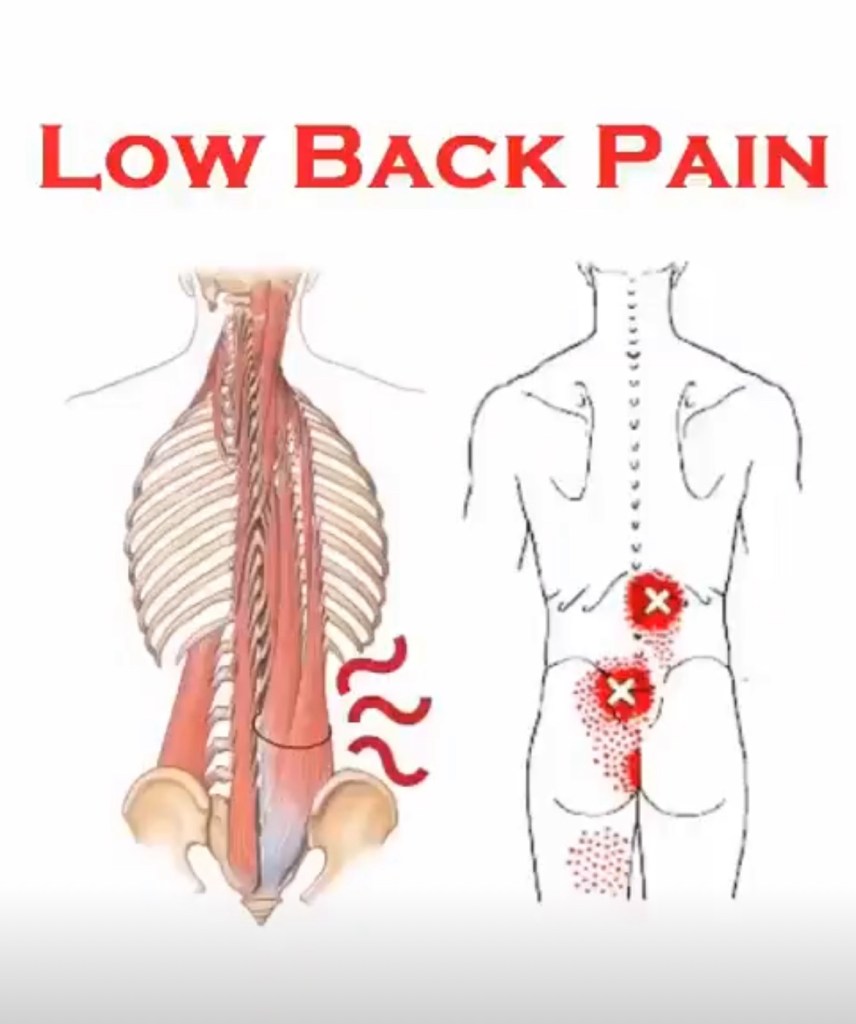
Understanding Low Back Pain: A Physiotherapy Perspective

Low back pain is a prevalent issue that affects a significant portion of the population, impacting daily activities and quality of life. From a physiotherapy perspective, it’s crucial to delve into the complexities of this condition, exploring its definition, symptoms, causes, assessment tools, treatment strategies, and prognosis.

Definition:
Low back pain is characterized by discomfort, tension, or pain localized between the ribcage and the gluteal folds. It can be acute or chronic, with varying degrees of severity. Understanding the specific nature of the pain is essential for tailoring effective physiotherapeutic interventions.

Symptoms:
Symptoms of low back pain can range from localized discomfort to radiating pain, often accompanied by stiffness, muscle spasms, and reduced range of motion. Patients may also experience numbness or tingling in the lower extremities, contributing to the complexity of the condition.

Causes:
Several factors contribute to low back pain, including poor posture, muscle imbalances, herniated discs, spinal stenosis, or underlying medical conditions. Lifestyle factors such as sedentary behavior, improper lifting techniques, and obesity can exacerbate the risk of developing low back pain.

Evaluation or Assessment Tools:
Physiotherapists employ a variety of assessment tools to diagnose and understand the root causes of low back pain. This includes thorough patient history, physical examinations, and specific tests to evaluate flexibility, strength, and neurological function. Advanced tools like imaging studies may be utilized when necessary for a comprehensive assessment.

Treatment:
Physiotherapy plays a pivotal role in the treatment of low back pain. Interventions often include targeted exercises to improve strength and flexibility, manual therapy techniques to address soft tissue restrictions, and education on posture and body mechanics. Modalities such as heat or cold therapy may be incorporated for pain management.

Prognosis:
The prognosis for low back pain varies based on the individual and the underlying causes. Physiotherapy interventions aim not only to alleviate pain but also to prevent its recurrence. With a good treatment plan and patient compliance, many individuals can experience significant improvement in symptoms and a return to a more functional and pain-free life.

In conclusion, approaching low back pain from a physiotherapy perspective involves a comprehensive understanding of its definition, symptoms, causes, assessment tools, treatment strategies, and prognosis. Physiotherapists play a crucial role in helping individuals manage and overcome the challenges posed by low back pain, promoting optimal musculoskeletal health and overall well-being.

A Day to Remember: Jemima and Anthony’s Beautiful Wedding.

Jemima & Anthony

In the heart of Karen, amidst the lush greenery of St. Camilla Gardens, a love story reached its most significant chapter today. Jemima and Anthony, a couple whose love has blossomed over time, celebrated their wedding in a grand ceremony that brought together family, friends, and colleagues from various corners of Kenya. The day was filled with love, laughter, and cherished moments.

Jemima and Anthony, a couple deeply in love, embarked on a journey to become life partners. Their wedding day was a testament to their commitment and the start of a new chapter in their lives.

The beauty of this wedding was the diverse tapestry of guests who graced the occasion. From Kisii, Anthony’s hometown, his family joined in the celebration. The presence of Jemima’s family from Taita Taveta added a unique touch to the gathering. Schoolmates and friends who had shared memorable moments with the bride through her academic journey came to witness her special day. Colleagues from the Kenya Defense Forces’ Physical Medicine Department, where Jemima works, brought an air of professionalism and camaraderie to the event.

Colleagues from KDF

The choice of St. Camilla Gardens in Karen for the reception added a touch of elegance and natural beauty to the event. With its sprawling lawns, serene atmosphere, and picturesque surroundings, it provided a perfect backdrop for Jemima and Anthony’s big day.

The day was filled with memorable moments. The exchange of vows, the heartfelt speeches, and the joyous celebrations left an indelible mark on everyone present. Laughter and tears of happiness were shared as Jemima and Anthony sealed their love with a kiss.

The diverse backgrounds of the guests reflected the union of two souls from different regions. It was a beautiful illustration of Kenya’s rich tapestry of cultures and the idea that love knows no boundaries.

Jemima and Anthony’s wedding was not just a celebration of their love, but a day that showcased the power of unity, bringing people together from different backgrounds to share in their joy. It was a reminder that love and togetherness are the most beautiful things we can celebrate in life. As they embark on this new journey, we wish Jemima and Anthony a lifetime filled with love, laughter, and endless happiness. 

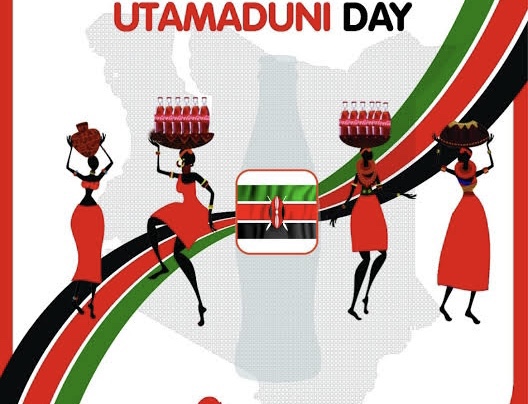
Celebrating Utamaduni Day: Embracing Kenya’s Rich Cultural Heritage.

Today, Kenya comes alive with vibrant colors, rhythmic beats, and a deep sense of pride as the nation celebrates Utamaduni Day. This annual event, held on the 10th of October, is a testament to Kenya’s commitment to preserving and celebrating its diverse cultural heritage. As the country gathers to mark this significant occasion, let’s delve into the essence of Utamaduni Day and the various ways in which Kenyans commemorate their cultural legacy.

A Day of Cultural Diversity

Kenya is a melting pot of cultures, with over 40 distinct ethnic groups, each contributing to the nation’s rich tapestry of traditions, languages, and customs. Utamaduni Day serves as a platform to highlight this diversity, promoting unity in the midst of differences.

The festivities often begin with colorful parades showcasing traditional attire and music from different regions of Kenya. These parades are a visual spectacle, with participants proudly displaying their cultural heritage through dance, song, and traditional instruments.

Cultural Exhibitions and Artifacts

One of the hallmarks of Utamaduni Day celebrations is the exhibition of cultural artifacts. Museums, cultural centers, and local communities open their doors to the public, allowing visitors to explore the history, art, and craftsmanship of various ethnic groups.

Visitors can admire intricate beadwork, learn about the significance of traditional clothing, and even sample diverse cuisines from different regions. This hands-on experience fosters a deeper understanding and appreciation of Kenya’s cultural mosaic.

Preserving Indigenous Languages

Language is an integral part of culture, and Utamaduni Day emphasizes the importance of preserving Kenya’s indigenous languages. Language workshops, storytelling sessions, and poetry recitals are organized to celebrate the linguistic diversity of the nation.

These efforts are crucial in safeguarding languages that are at risk of disappearing, ensuring that future generations can continue to connect with their cultural roots through language.

Promoting Traditional Arts

Traditional arts and crafts play a pivotal role in Kenya’s cultural identity. Utamaduni Day celebrations provide a platform for local artisans to showcase their talents and sell their handcrafted products.

From Maasai beadwork to Kikuyu wood carvings, these traditional crafts not only serve as a source of income for artisans but also keep ancient techniques alive. Purchasing these products supports local communities and helps sustain Kenya’s cultural heritage.

Education and Awareness

Utamaduni Day is not just a celebration but also an educational opportunity. Schools, universities, and community organizations host seminars, lectures, and discussions on various aspects of Kenyan culture.

These activities are designed to raise awareness among Kenyan youth about the importance of their cultural heritage and encourage them to take pride in their roots.

Utamaduni Day in Kenya is a day of celebration, reflection, and unity. It is a reminder that despite our differences, the nation’s strength lies in its cultural diversity. By preserving and celebrating their heritage, Kenyans not only honor their ancestors but also pave the way for a more culturally enriched and harmonious future.

As the celebrations continue throughout the day, let us all join in spirit, appreciating the beauty of Kenya’s cultural mosaic and embracing the values of unity, diversity, and heritage that Utamaduni Day represents.

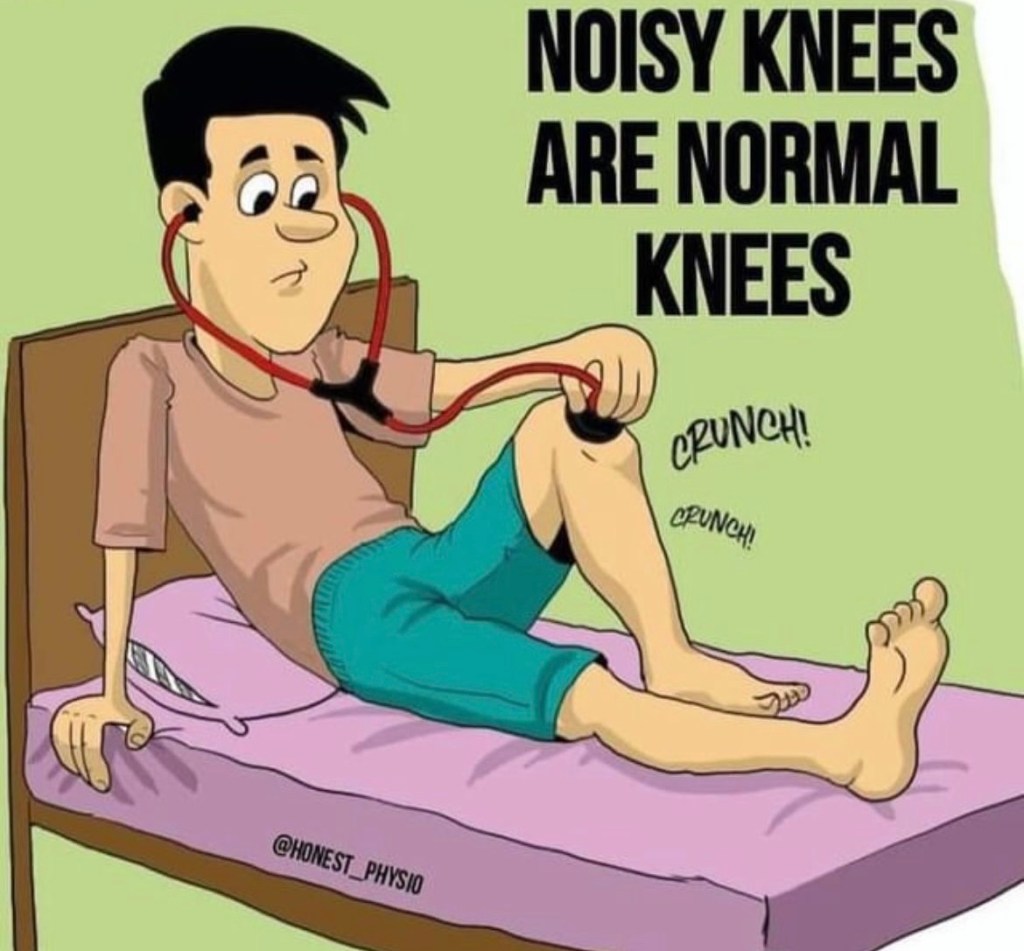
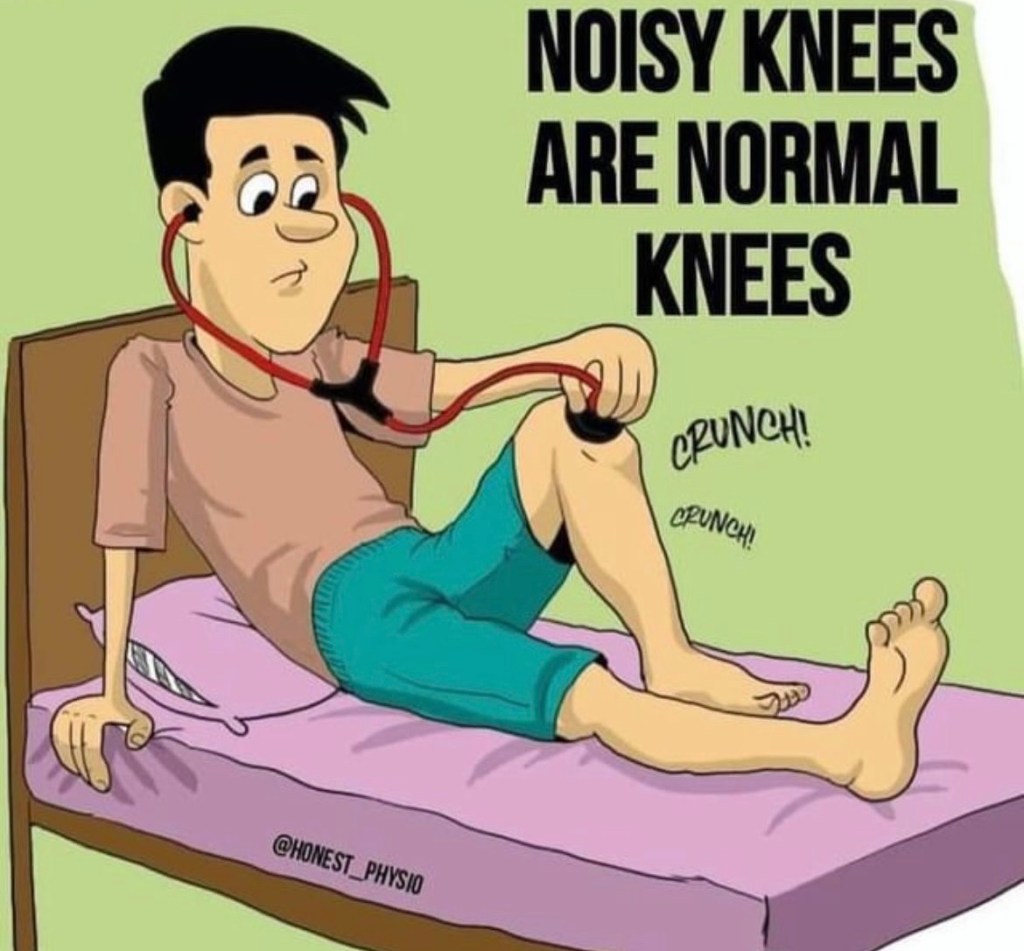
Cracking the Case of Noisy Knees: A Soundtrack of Healthy Joints.

Noisy knees – they’re a common source of concern for many. Whether it’s the unmistakable pop, crackle, or snap, these sounds often raise questions about the health of our joints. However, the truth might surprise you: noisy knees are often a sign of normal, healthy knees.

Understanding Noisy Knees: Let’s dive into the world of joint acoustics and explore the reasons behind those intriguing sounds that emanate from our knees.

  1. The “Rice Krispies” Effect: Have you ever compared the sound of your knees to a bowl of Rice Krispies? Many people have, and it’s not entirely inaccurate. The most common knee noise is called “crepitus,” which can be described as a crackling or popping sound. It typically occurs when you bend or straighten your knee.
  2. What Causes the Sound? Crepitus is often caused by the movement of gases within the synovial fluid that lubricates your joints. When you move your knee, tiny bubbles can form and then burst, creating the characteristic popping noise. This process is entirely natural and happens in healthy joints.
  3. Age-Related Changes: As we age, the composition of our joint tissues can change. The cartilage that cushions the joints may undergo some wear and tear, which can contribute to noisier knees. However, this doesn’t necessarily mean there’s a problem. It’s a part of the natural aging process.
  4. Active Lifestyles: Active individuals, such as athletes or those who regularly engage in physical activities, may notice more knee noise. This is often due to increased stress and movement on the joints. While it may be concerning, it’s typically not a cause for alarm.

Should You Worry About Noisy Knees? In most cases, the answer is no. Noisy knees are usually harmless and not a sign of underlying joint problems. However, if you experience pain, swelling, or instability along with the noise, it’s essential to consult a healthcare professional. These symptoms might be indicative of an issue that requires attention.

Maintaining Healthy Knees: To keep your knees in good shape and potentially reduce the noise, consider the following tips:

  1. Regular exercise to strengthen the muscles around the knee joint.
  2. Maintain a healthy body weight to reduce excess stress on the knees.
  3. Stay hydrated for optimal joint lubrication.
  4. Incorporate joint-friendly nutrients like omega-3 fatty acids into your diet.

In the grand symphony of our bodies, noisy knees are often just one note, a reassuring reminder of our joint’s normalcy. So, the next time your knees produce a chorus of sounds, don’t fret. Embrace the melody, keep them active and strong, and remember that noisy knees are typically the sound of a healthy joint in motion.

Managing Sports Injuries in Young Athletes: A Guide for Physiotherapists.

As a dedicated physiotherapist for DBA’s Futures Rugby Tournament Under 15, I play a crucial role in ensuring the health and well-being of young athletes. Rugby is an exhilarating sport that offers numerous physical and mental benefits, but it also carries a risk of injuries. In this blog, I will explore the key aspects of managing sports injuries in young athletes, providing valuable insights to help me navigate my responsibilities during the tournament.

Understanding the Young Athlete:

  1. Anatomy and Growth Plates:
    • Young athletes are still growing, and their bodies are undergoing significant changes. Understanding their unique anatomy, including growth plates, is essential. Growth plates are vulnerable to injury and require special attention.
  2. Age-Appropriate Assessment:
    • I must conduct thorough assessments tailored to the age and developmental stage of the athlete. This may include assessing joint laxity, muscle imbalances, and movement patterns.

Prevention Strategies:

  1. Warm-Up and Cool-Down:
    • I emphasize the importance of a proper warm-up and cool-down routine to reduce the risk of injury. Incorporating dynamic stretches and mobility exercises into warm-ups is essential.
  2. Technique and Skill Development:
    • I focus on teaching correct techniques and safe play. Proper form can significantly reduce the risk of injuries, especially in contact sports like rugby.
  3. Strength and Conditioning:
    • I develop age-appropriate strength and conditioning programs to enhance overall physical resilience. Ensuring that exercises are tailored to the athlete’s age and skill level is crucial.

Common Injuries in Young Rugby Players:

  1. Concussions:
    • I educate athletes about the signs and symptoms of concussions and stress the importance of reporting them immediately. Implementing concussion protocols as needed is my responsibility.
  2. Sprains and Strains:
    • Ankle and knee injuries are common in rugby. Providing effective rehabilitation strategies for these injuries and emphasizing the importance of adequate rest is part of my role.
  3. Overuse Injuries:
    • I monitor athletes for signs of overuse injuries such as stress fractures or tendonitis. Encouraging rest and modification of training when necessary is my responsibility.

Treatment and Rehabilitation:

  1. Individualized Care:
    • I create treatment plans tailored to each athlete’s specific needs, considering their age, injury type, and recovery goals.
  2. Collaborative Approach:
    • I work closely with coaches, parents, and other medical professionals to ensure a coordinated approach to injury management and rehabilitation.
  3. Psychological Support:
    • I recognize the psychological impact of injuries on young athletes. Offering support and resources to help them cope with the emotional challenges of recovery is essential.

Return to Play:

  1. Gradual Progression:
    • I implement a step-by-step return-to-play protocol, ensuring that athletes only resume full activity when they are physically and psychologically ready.
  2. Monitoring:
    • I continuously monitor athletes post-injury to identify any lingering issues or signs of reinjury and adjust their rehabilitation plan accordingly.
    • As a physiotherapist, my role extends beyond injury treatment; I am a crucial advocate for the well-being of young athletes. By understanding their unique needs, implementing preventative measures, and providing effective injury management, I can contribute to a safe and rewarding rugby experience for these promising athletes. My dedication and expertise will help shape the future of rugby for these young players.

Unlock Your Mind’s Potential: The Importance of Brain Exercises.

Brain exercises are essential for maintaining cognitive health and enhancing mental agility. Just like physical workouts keep our bodies in shape, engaging in activities that challenge your brain can help boost memory, problem-solving skills, and overall mental well-being. Here are a few brain exercises and their importance:

  1. Crossword Puzzles: These word games stimulate vocabulary and memory, enhancing your language skills and mental recall.
  2. Sudoku: Sudoku puzzles test your logical thinking and pattern recognition, sharpening your mind’s problem-solving abilities.
  3. Meditation: Mindfulness meditation promotes mental clarity, reduces stress, and improves concentration, fostering a healthy mind.
  4. Brain-Training Apps: There are numerous apps designed to exercise your brain, offering activities like memory games and math challenges.
  5. Learning a New Skill: Picking up a new instrument or language challenges your brain to adapt and grow, keeping it flexible and active.
  6. Physical Exercise: Regular physical activity not only benefits your body but also boosts blood flow to the brain, improving cognitive function.
  7. Social Interaction: Engaging in conversations and social activities keeps your mind sharp by requiring you to think, communicate, and empathize with others.

The importance of these brain exercises lies in their ability to maintain cognitive function as we age, prevent memory decline, and enhance problem-solving skills.

NB: Incorporate these exercises into your daily routines for a healthier, sharper mind.