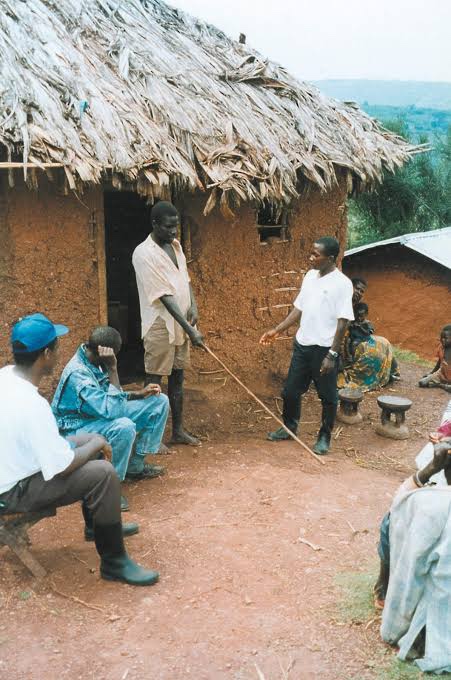
Integrating physiotherapy into rural Kenyan areas requires a thoughtful approach that considers the unique challenges and needs of these communities. Here are some steps that can be taken:
- Assessment of Needs: Conduct a comprehensive assessment of the healthcare needs in rural Kenyan areas. Identify common musculoskeletal issues, disabilities, and conditions that could benefit from physiotherapy.
- Training Local Healthcare Workers: Train local healthcare workers, such as community health workers or nurses, in basic physiotherapy techniques. This can help bridge the gap in access to specialized care.
- Mobile Clinics: Establish mobile physiotherapy clinics that can travel to remote areas on a regular basis. These clinics can provide assessments, treatments, and education on injury prevention and rehabilitation.
- Telehealth and Tele-rehabilitation: Utilize telehealth technology to connect rural patients with physiotherapists in urban centers. This can facilitate remote consultations, exercise guidance, and progress monitoring.
- Community Education: Conduct awareness campaigns and educational programs in rural communities to promote the importance of physiotherapy in managing and preventing injuries and disabilities.
- Local Partnerships: Collaborate with local NGOs, community organizations, and government agencies to build sustainable physiotherapy services. This can involve sharing resources and expertise.
- Affordable Services: Ensure that physiotherapy services are affordable and accessible to the rural population. Explore subsidy programs or partnerships with health insurance providers.
- Cultural Sensitivity: Respect local customs and traditions when delivering healthcare services. It’s important to consider cultural beliefs and practices that may influence healthcare decisions.
- Infrastructure Improvement: Work on improving transportation and infrastructure in rural areas to make it easier for both patients and healthcare providers to access physiotherapy services.
- Data Collection and Research: Continuously collect data on the impact of physiotherapy services in rural areas. Research can help refine strategies and demonstrate the effectiveness of these interventions.
- Advocacy: Advocate for policies that support the integration of physiotherapy into rural healthcare systems. This includes lobbying for increased funding and recognition of the profession.
- Community Involvement: Involve local communities in the planning and decision-making process. Engage community leaders and members to ensure that services are culturally appropriate and accepted.
By taking a holistic approach that combines education, technology, infrastructure development, and community engagement, it’s possible to integrate physiotherapy effectively into rural Kenyan areas and improve the quality of life for residents.

 Alex Omweri
This is a very informative piece that I enjoyed reading. Most impprtantly, I appreciate the fact that Doc has highlighted highly practical approaches that can apply in our remote areas.
LikeLike