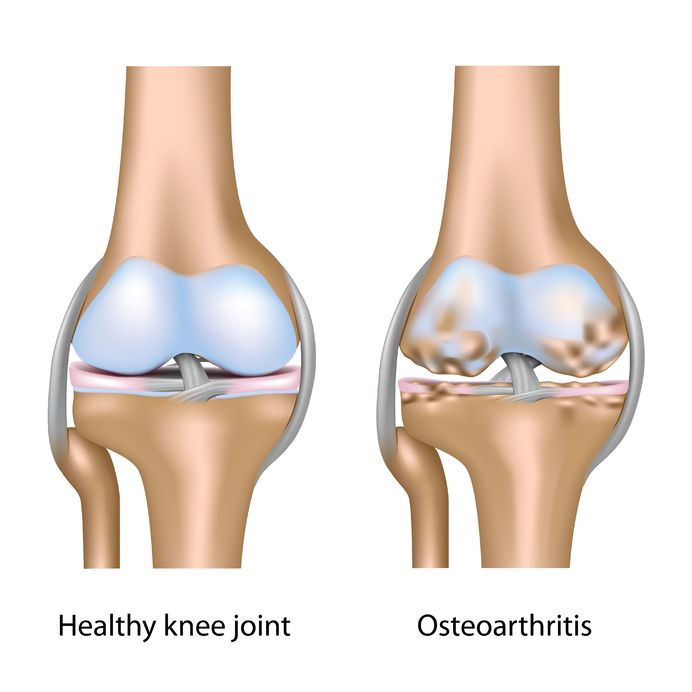
Physiotherapy plays a crucial role in the management of knee osteoarthritis, a common degenerative joint condition that affects millions of people worldwide. Knee osteoarthritis is characterized by the gradual breakdown of cartilage in the knee joint, leading to pain, stiffness, and reduced mobility. While there is no cure for osteoarthritis, physiotherapy aims to improve the quality of life for individuals suffering from this condition by reducing pain, enhancing joint function, and increasing strength and flexibility.
The physiotherapy management of knee osteoarthritis typically includes the following components:
Assessment and Individualized Treatment Plan: The first step in physiotherapy management is a thorough assessment by a qualified physiotherapist. They will evaluate the patient’s medical history, the severity of osteoarthritis, the level of pain, joint function, muscle strength, and overall physical condition. Based on this assessment, a personalized treatment plan is developed to address the specific needs and goals of the patient.
Pain Management: Controlling pain is a primary objective in knee osteoarthritis management. Physiotherapists may use various modalities such as ice or heat therapy, ultrasound, or transcutaneous electrical nerve stimulation (TENS) to alleviate pain and reduce inflammation in the affected knee joint.
Exercise Therapy: Exercise is a cornerstone of physiotherapy for knee osteoarthritis. Specific exercises are prescribed to improve muscle strength, flexibility, and joint stability. These exercises may include:
Range of motion exercises: To improve the knee joint’s mobility and flexibility. Strengthening exercises: Targeting the muscles around the knee, including the quadriceps and hamstrings, to provide better support and stability to the joint. Low-impact aerobic exercises: Activities like walking, swimming, or cycling that improve cardiovascular fitness without putting excessive stress on the knee joint. Balance and proprioception exercises: To enhance balance and body awareness, reducing the risk of falls and injury. Manual Therapy: Physiotherapists may use hands-on techniques such as joint mobilization and soft tissue manipulation to improve joint function, reduce stiffness, and enhance overall mobility.
Assistive Devices: The use of assistive devices like knee braces or orthotics may be recommended to provide additional support to the knee joint and alleviate stress during daily activities.
Patient Education: Educating the patient about knee osteoarthritis, its progression, and self-management strategies is crucial. Physiotherapists can provide guidance on lifestyle modifications, proper body mechanics, and techniques for pain management to empower patients in their journey of coping with osteoarthritis.
Home Exercise Program: To ensure consistent progress, patients are often provided with a tailored home exercise program. This empowers individuals to continue their exercises independently between physiotherapy sessions and maintain the gains achieved during therapy.
Long-term Management and Prevention: Knee osteoarthritis is a chronic condition, and its management is a long-term process. Regular follow-ups with the physiotherapist help track progress, make adjustments to the treatment plan as needed, and prevent potential complications.
Overall, physiotherapy management of knee osteoarthritis aims to enhance the patient’s overall function and quality of life by reducing pain, improving joint function, and increasing strength and mobility. It is essential to consult a qualified physiotherapist for a personalized approach tailored to individual needs and capabilities.
Workplace-related low back pain is a prevalent issue that affects countless individuals across various industries. Prolonged periods of sitting, improper posture, repetitive movements, and lifting heavy objects can strain the muscles and ligaments in the lower back, leading to discomfort and reduced productivity. However, there are several effective remedies that can help alleviate and prevent workplace-related low back pain.
Firstly, maintaining proper posture is crucial. Encourage yourself and your colleagues to sit with their backs straight, shoulders relaxed, and feet flat on the floor. Consider investing in ergonomic chairs and adjustable desks that support a neutral spine position.
Regular breaks and stretching exercises are vital in combating low back pain. Encourage everyone to take short breaks throughout the day to stand up, walk around, and perform gentle stretches targeting the lower back and surrounding muscles. Incorporating yoga or Pilates into the daily routine can also help improve flexibility and strengthen the core muscles, providing better support for the lower back.
Lifting heavy objects should be done with proper technique to avoid strain on the back. Encourage the use of mechanical aids or team lifting when handling heavy loads, and teach proper lifting techniques to all employees.
Additionally, creating a workplace culture that promotes movement and physical activity is essential. Encourage employees to participate in fitness programs, offer standing workstations or walking meetings, and promote a supportive atmosphere where colleagues can remind each other to practice good posture and take breaks.
Regular workplace assessments can also identify potential ergonomic hazards and allow for necessary adjustments to prevent low back pain. Seek the expertise of occupational health professionals to evaluate and optimize the workplace environment.
By implementing these remedies and fostering a workplace environment that prioritizes employees’ physical well-being, workplace-related low back pain can be minimized, leading to a happier, healthier, and more productive workforce.
Once upon a time, in the midst of the COVID pandemic, I embarked on a challenging journey to upgrade my diploma into a degree from Amref International University. As the world grappled with uncertainty and fear, my determination to pursue higher education burned brighter than ever.
Studying online became the new norm, and while it provided flexibility, it presented its own set of challenges. The isolation from the traditional classroom environment was challenging, but I adapted, finding new ways to engage with my professors and fellow students virtually. Despite the obstacles, I remained committed to my studies, determined to achieve my dreams.
However, financial constraints added an extra layer of difficulty to my academic pursuit. As I balanced my coursework with part-time work to make ends meet, there were moments when I wondered if it was all worth it. But deep down, I knew that education was my key to a better future, and I refused to let financial hardships deter me from my path.
Sadly, some of my relatives, unaware of my struggles, couldn’t grasp the enormity of my determination. They dismissed my efforts, doubting whether I was truly in school or just fabricating stories to gain sympathy. Their lack of understanding and support hurt, but I refused to let their skepticism dim my resolve.
Even some of my close friends questioned my commitment to my studies. They believed I hadn’t finished my diploma and scoffed at the idea of me pursuing a degree. Their skepticism stung, but it only fueled my determination to prove them wrong.
As the years passed, my perseverance and dedication paid off. Despite the doubters and the financial hurdles, I successfully completed my coursework and found myself standing tall at my graduation ceremony. The day I had dreamt of and worked tirelessly for had finally arrived.
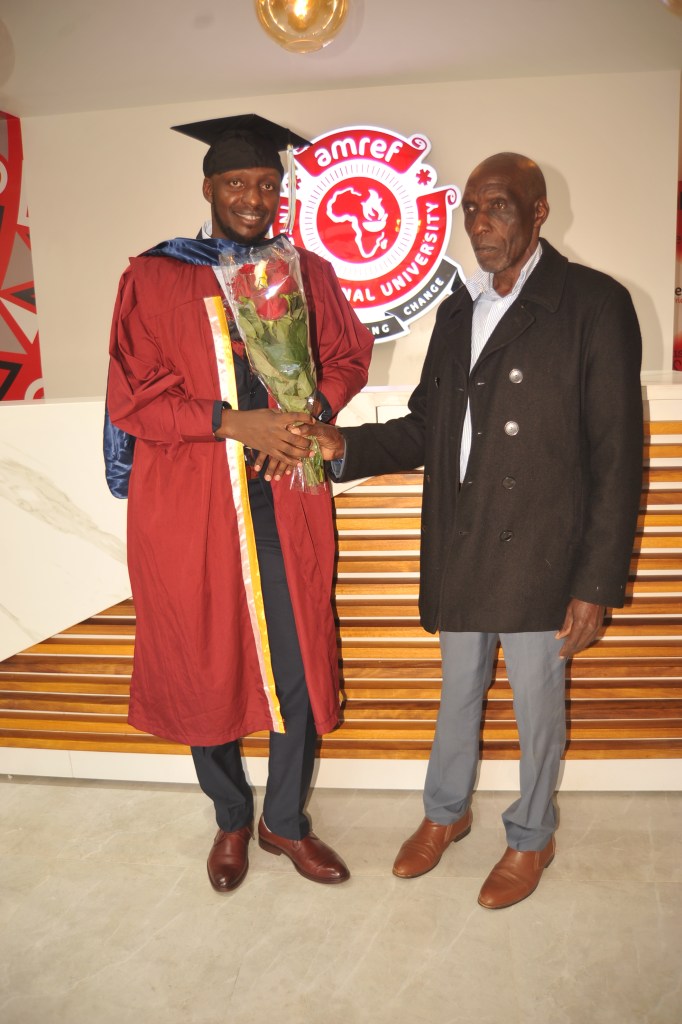
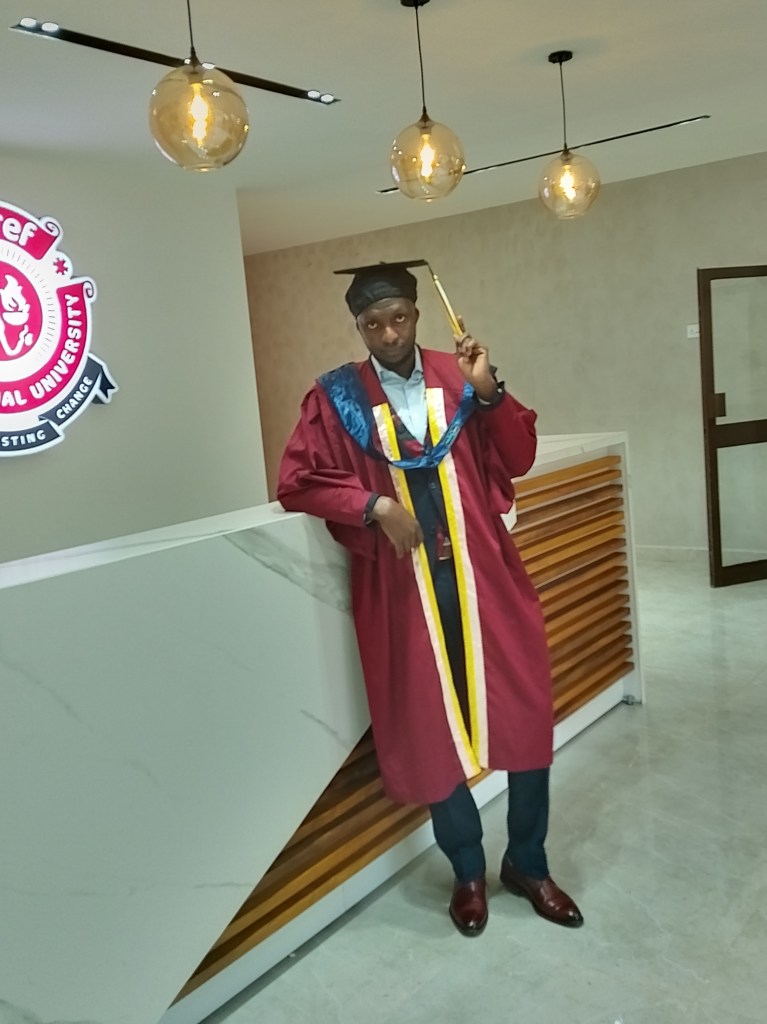
Walking across the stage to receive my BSc in Physiotherapy, I felt a rush of emotions. Pride, relief, and gratitude washed over me as I realized the magnitude of what I had accomplished. I had overcome immense challenges, both external and internal, to reach this moment of triumph.
As I looked out at the crowd of friends, family, and well-wishers, I knew that this victory was not just mine alone. It belonged to everyone who had supported me and believed in me throughout this arduous journey. I could now see the genuine pride in the eyes of my relatives, acknowledging the truth of my accomplishments. My true friends celebrated with me, recognizing the strength and perseverance that had brought me to this point.
But most importantly, I had proved to myself that I was capable of achieving greatness even in the face of adversity. My journey through the pandemic, the financial struggles, and the naysayers had shaped me into a stronger, more resilient individual.
With my diploma upgraded to a degree, I stepped into the world as a qualified physiotherapist, ready to make a difference in people’s lives. My success became a testament to the power of unwavering determination, self-belief, and the support of those who truly care.
As I moved forward, I carried with me the lessons learned during my school life in the COVID pandemic. I knew that challenges were inevitable, but I also knew that I had the strength and courage to face them head-on. And whenever doubt or skepticism crept in, I could always draw strength from my past triumphs to fuel my future endeavors.
My speech on Online Learning.Receiving flowers from my Father.With Richard Jackson, Anna Jackson (The Jacksons Foundation), SRC secretary General Gladys Omiso, Mr. Raphael Owako and my fellow graduates.
Count up the number of squares in the figure on the left. Hint: Be sure to count the squares within the squares.
2. Left brain: changing words
Begin with the word WALL and change a letter at a time until you get the word FIRM. Each change must be a proper word.
WALL
_ _ _ _
_ _ _ _
_ _ _ _
FIRM
3. Right brain: numbering toothpicks
Arrange three toothpicks into the number 9 (without breaking or bending them).
4. Left brain: letter scramble No 1
Come up with as many words as you can from the following letters. Use each letter only once in each word.
IRNAB
5. Right brain: jigsaw brain break
Which piece fits in the puzzle?
Intermediate exercises
6. Right brain: continuous line
Enhances visual-spatial skills and your frontal lobe’s ability to split your attention between mental tasks.
In the figure on the left, draw a continuous line that connects the number 1 to the letter A, then A to 2, then 2 to B, then B to 3 and so on until you can longer continue the numerical or the alphabetical sequence.
7. Left brain: finding colours
Rearrange all the letters to find the four colours mixed up below. Hint: Only one is a primary colour.
RAIGET
ENOLYL
OVGOEN
LEWRE
8. Left brain: proverb
All the vowels have been removed from the following proverb, and the remaining letters have been clustered into groups of three or four letters each. Replace the vowels and reveal the proverb.
TWH
DSRB
TTRT
HNN
Advanced exercises
You’re now warmed up enough to start using your entire brain (both the right and left hemispheres) to try to solve these brainteasers.
9. Letter scramble No 2
Try to come up with as many words as you can (two or more letters) from the following: OGEUNRY
Extra credit: A seven-letter word from this letter scramble and a five-letter word from letter scramble No1 will remind you of the title of my book.
10. Finicky Frank
Frank has very eccentric tastes. He’s a fan of football but hates rugby; loves beer but hates ale; drives a Ferrari but wouldn’t be caught dead in a Lamborghini. Based on Frank’s finicky tastes, would he prefer skiing or cycling?
Answers
1. 21 squares. 2. WALL, WILL, FILL, FILM, FIRM. 3. IX (Roman numeral). 4. I, In, Ran, Rib, Rain, Nab, A, An, Air, Ban, Bar, Bin, Barn, Bran, Brain. 5. B. 6. Star shape. 7. Green, Orange, Violet, Yellow. 8. Two heads are better than one. 9. On, Or, One, Ore, Oner; Go, Gun, Guy, Gone, Gore, Grey, Goner; Rue, Run, Rug, Rung, Rouge; You, Young, Younger. The seven-letter word is Younger and the five-letter word is Brain. 10. Skiing, since he only likes words that contain double letters.
Every athlete in professional sport has been nervous before a big game or event. That horrible feeling of sweaty palms, difficulty breathing and a racing heart rate happens to the very best. If left uncontrolled however, this can lead to devastating performance anxiety (Woodman and Hardy, 2003).
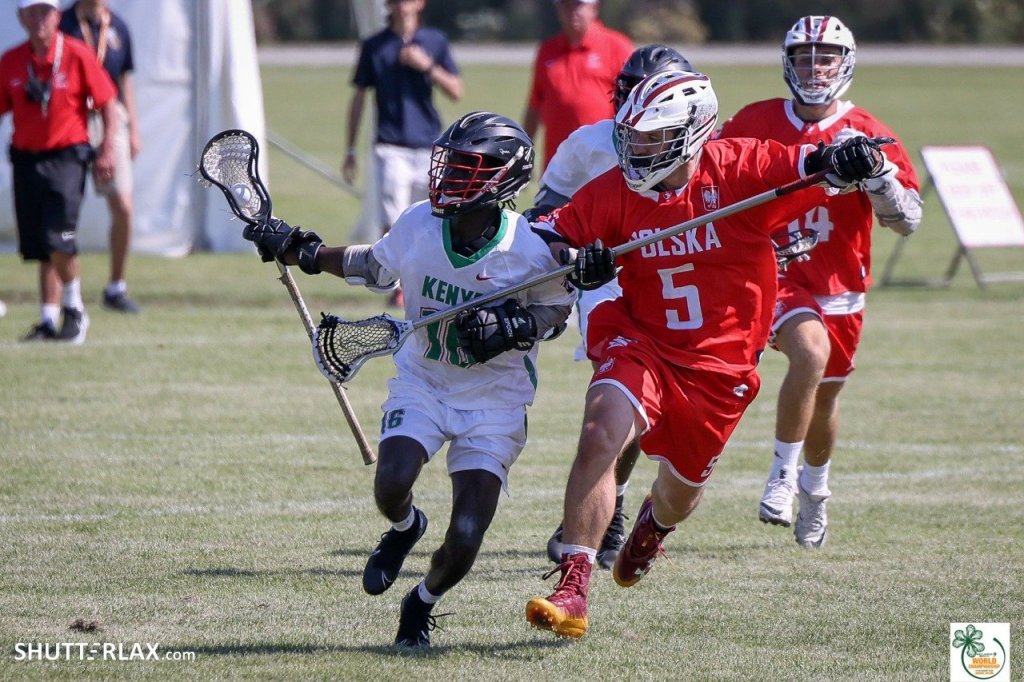
Photo by; Remingtone Okumu-Kenya Lacrosse.
As humans, we have evolved to display these physiological symptoms when confronted with a stressful situation. If the physical symptoms of nervous can’t be prevented, the best form of attack is to control them. Perfecting how to stay calm under pressure is one of the most important mental tools a player can have in his armoury. So many players do great things in training, only to fall apart in matches because they don’t know how to stay calm and controlled when it counts the most.
Here are 9 of the most successful strategies to help calm those pre-performance nerves:
1) Develop your own pre-performance routine
Number 1 for a reason! If used correctly, pre-performance routines can help you with a number of performance related issues, such as improving attentional focus, reducing distractions and overcoming negative thoughts (Cotterill, 2010). This doesn’t just mean wearing the same “lucky” pants or listening to the same “lucky” album before a game. There is no luck involved in a pre-performance routine. It is important to develop your own routine to prepare you both physically and mentally on game day. What works for your team-mate may not necessarily work for you. Routines teach you to act automatically, reducing the amount of thinking you need to do. Too much thinking mixed with pre-match nerves can lead you down a slippery slope of fear and “what if’s”. Pre-performance routines are the perfect way to prevent over-thinking and reduce the opportunity for your nerves and anxiety to take over your thoughts.
So, what does a pre-performance routine include? Anything that you can keep REGULAR and REPEATABLE time after time. This could be the time you go to bed the night before a match; watching successful highlights of your previous performances on game day morning; the food you eat pre-match; the music you listen to on your way to the game. Using some of the strategies outlined in the rest of this article, which have been proven to reduce nerves and anxiety, would be a perfect place to start. It will take time, trial and error to develop your optimum pre-performance routine, but the benefits it can bring to your pre-match mental state and your performance on the pitch could be huge.
2) Control your pre-performance focus and concentration
There are 2 common concentration mistake players make pre-game that can
lead to pre-performance anxiety:
– Focusing too much on the outcome… if you put too much pressure on yourself to score or perform well, this increases your chances of stressing yourself out and underachieving. Instead… focus on the NOW!
KLA player Reagan Ochan in Action
– Focusing too much on the opponent… if you are too focused on the talent or reputation of an opposition, you will send your pre-game nerves through the roof.
Instead… focus on YOU and YOUR job!
3) Do not dwell on the uncontrollables
It is very easy to get hung up on the “uncontrollables” right before performance, for example, the opponent, the crowd or the weather. Focusing on things that you have no control over will make you nervous and undermine your confidence. Ask yourself…
“Do I have direct control over what I’m feeling nervous over?”
If the answer is no… focus your thoughts on the things you CAN directly control – YOUR preparation, YOUR pre-performance routine you have now perfected, and YOUR performance. Remember you can only control the controllables.
4) Breathing control
When the first sign of nerves hits your body, immediately switch your focus of concentration to your breathing. You don’t have to be an expert in yoga to master the art of controlling your breathing. Taking 10 slow and deep breaths, focusing on the feel and rhythm of your breathing can do the trick. This technique can be far more beneficial with practice, so try and regularly practice every night for 2-3 minutes before you fall to sleep. Just a few breaths taken immediately before a game can momentarily calm your nerves and remove stress and anxiety (Ma et al., 2017).
5) Visualisation
Also known as mental imagery or rehearsal, visualisation involves imagining yourself being successful. This has been shown to have a number of significant performance benefits, such as improving confidence, motivation, but most significantly here, decreasing stress and reducing performance anxiety (Newmark, 2012).
Close your eyes, imagine the physical movements you would make in a game to be successful. Most importantly, imagine it from YOUR perspective, and make it as realistic to a match as possible. Imagine the crowd noise; the physical battle with the opposition; use all your senses to make the imagined experience as close to a match day as possible. Incorporating visualisation into your pre-performance routine can have a host of benefits to not only your pre-match nerves, but also your performance on the pitch.
6) Cognitive Restructuring
This isn’t as sci-fi as it sounds! Cognitive restructuring simply means changing our habitual way of thinking. To combat pre-match nerves, it would aim to change any negative thoughts that may be causing or contributing to this performance anxiety. Research has found athletes who viewed anxiety as facilitating as opposed to debilitating had an improved performance (Martinent & Ferrand, 2015).
Cognitive restructuring could also be used to change the way you think about the upcoming game or trial. Thinking about the competition like a training game may put less pressure on you, allowing you to attach less significance to the game and reducing anxiety about your performance.
Recognising negative thoughts when they first enter your mind allows you to stop them before they take hold so you can replace them with positive ones.
7) Distract Yourself
A simple yet effective strategy. It’s obvious during a game you want as little distraction as possible. But beforehand, if it keeps your mind from generating negative thoughts and unnecessary anxiety, go and talk to a teammate, listen to your favourite music, do something that can take your mind off the upcoming match for a few minutes as you feel those nerves creep in.
8) Recognise and accept that pre-match nerves are normal
Getting nervous before a game isn’t necessarily the problem, after all, it’s a physical reaction to the situation you are in. It’s how we react next that can create the problem. Many players freak out at any sign of pre-game nerves…
“I’m nervous! I shouldn’t be nervous! I won’t perform well if I’m nervous!”
KLA players Dickens Nashine (13) and Hillary Wafula (7)
It is easy to misinterpret nerves as fear. The adrenaline rush is normal and is your body’s natural process in response to competition. Recognise it, accept it as a normal physiological response, but don’t focus on it!
9) Accept failure
This final strategy will help the effectiveness of everything discussed above – accepting that failure exists, and it can be beneficial. The majority of negative thoughts pre-game that initiates anxiety surrounds a bad performance. Accepting that failure is a regular occurrence in a match can lighten this heavy negative thought.
Fear of failure can sabotage success. The desire for perfection can lead to stress and destroy performance.
How do you conquer fear of failure? By not letting it define you! Cristiano Ronaldo has missed 29 penalties in his career (17% of his total penalties). Lionel Messi has missed 30! (22% of his total). They accept that missing a penalty can and will happen, they do not let the fear of missing interfere with their desire to take the next one. By treating failure as normal, you can learn to not be afraid of it, and banish fear from your pre-game nerves.
To summarise, it takes skill and practice to accept rather than fight pre-performance nerves. If you can: (1) accept that nerves are your body’s natural response to competition; (2) embrace the challenges in your upcoming match or trial without the fear of failure; and (3) use some of the strategies above to create your own pre-performance routine… you can enter the pitch giving yourself the best possible opportunity to be in full control of your mental and emotional state, allowing you to be ready to perform to your maximum.
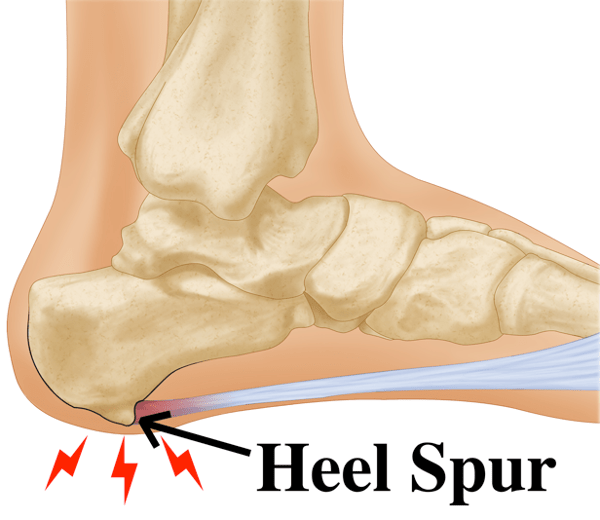
Heel spurs are bony growths on the bottom of the heel that direct toward the arch of your foot. While some people have heel spurs and never know about them, others can experience significant pain that can make every step harder than the last.
This condition commonly occurs with plantar fasciitis, a condition that causes inflammation across the bottom of the foot, especially the heel. Here are seven treatments and remedies that can help you find relief.
Cold therapy can help to relieve inflamed heel tissue. One option is to apply a cloth-covered ice pack to your heel. You could also apply a cold compression pack to help keep the ice pack in place. These are sold at many drugstores as gel packs or cold foot wraps. They are kept in the freezer and then wrapped around the foot and ankle. Leave the wrap on for 10 minutes at a time, then unwrap. Repeat the cold wrap application on an hourly basis while you’re awake.
Another option is to roll your foot over a cold or frozen water bottle.
Comfortable and well-fitting shoes can reduce the amount of pressure on the heel spur. This pressure can cause pain and discomfort. Here’s what to look for when evaluating a shoe for comfort when you have a heel spur:
Firm heel support: The back “counter” of the shoe should be firm in order to support the heel and prevent your foot from rolling inward or outward.
Moderate flexibility: A shoe shouldn’t be so easy to flex that it’s collapsible. However, the shoe should have a gradual bend that has some resistance when your foot is flexed or bent.
Slightly elevated heel: A heel insert or shoe that has a slightly elevated heel (no more than 1 inch high) can help take pressure off your painful heel.
You can also have custom orthotics (molded shoe inserts) made that will slip into your shoe. These orthotics are custom-designed to prevent your foot from rolling and provide extra heel support.
Over-the-counter (OTC) anti-inflammatory medications can help you relieve heel pain and discomfort. Examples of anti-inflammatory medications include the following:
By reducing tissue inflammation, these medicines can help to prevent further damage. However, you shouldn’t take anti-inflammatory medications if you have kidney problems or a history of stomach bleeding and ulcers.
While OTC acetaminophen may help to relieve pain, it does not have the same anti-inflammatory properties as the other medications.
Stretches for the calf and surrounding muscles as well as the plantar fascia can help to reduce strain and pressure on the heel spur. Some helpful stretches include:
Foot flexes
Sit with one leg crossed over the other.
Reach for your foot, grabbing the toes and pulling them toward your chest. Hold this position for 30 seconds, and then release the foot.
Repeat the stretch 5 times on this foot, then cross your legs the other way and stretch your other foot.
Calf stretches
Stand in front of a wall about arm’s length away.
Put one foot slightly in front of the other and lean forward, placing your hands on the wall that is roughly shoulder height.
Bend your knees and slightly push your hips forward to feel the stretch in your calves.
Hold this position for 10 seconds at a time, then straighten your legs. Repeat this stretch 10 times, then switch your foot position so the opposite foot is forward.
Stretching in the morning, afternoon, and evening can go a long way in helping you reduce heel spur pain. You can also wear special splints that keep your foot flexed to stretch your plantar fascia and calf muscles at night. These splints are especially helpful in reducing heel pain that occurs first thing in the morning.
Cryoultrasound therapy combines the application of electromagnetic energy and cold therapy to relieve pain. The machine looks like a large wand that is moved over the foot and ankle. Research has found that Cryoultrasound therapy is an efficient treatment optionTrusted Source for people with plantar fasciitis who also have heel spurs. Podiatrists and physical therapists often provide this therapy.
Corticosteroid injections don’t cure your heel spur, but they can help with some of the pain the heel spur causes. To perform the injection, your doctor will usually apply a numbing medicine to reduce any discomfort at the injection site. While the injection site can vary, most doctors will inject the medication on the inner or middle portion of the heel instead of the very bottom of it.
Although corticosteroid injections can help many people with bone spurs, there is a limit to how often or how many you can receive. This is because steroid injections can increase the likelihood of tendon rupture.
For further management and assessment kindly contact us via call/whatsapp 0742078333 or visit us at our clinic along Bishop Rd. Nairobi upperhill.
Snoring is the hoarse or harsh sound that occurs when air flows past relaxed tissues in your throat, causing the tissues to vibrate as you breathe. Nearly everyone snores now and then, but for some people it can be a chronic problem.
Symptoms
If you snore and have the following symptoms it may be due to obstructive sleep apnea (OSA)
Witnessed breathing pauses during sleep
Excessive daytime sleepiness
Difficulty concentrating
Morning headaches
Sore throat upon awakening
Restless sleep
Gasping or choking at night
High blood pressure
Chest pain at night
Your snoring is so loud it’s disrupting your partner’s sleep
To prevent or quiet snoring, try these tips:
If you’re overweight, lose weight. Sleep on your side. Raise the head of your bed. Nasal strips or an external nasal dilator. Treat nasal congestion or obstruction. Limit or avoid alcohol and sedatives. Quit smoking. Get enough sleep.
Flaccidity refers to a complete lack of voluntary movement after stroke. It’s a severe condition.
Some survivors only experience flaccidity in the early stages of recovery while others must work to overcome this condition during the later stages.
Fortunately, recovery can be pursued no matter how much time has passed since your stroke!
During the flaccid stage, it is important to keep the arm supported and positioned well. Elevation, manual edema mobilization, and compression garments can be used to help with hand/forearm edema. Pillows or a tray can help support the weak arm. Slings are an option, but I don’t personally like slings because they immobilize the arm and often cause poor positioning and alignment. If I do use a sling, it’s usually only when a patient with a flaccid arm is walking so that the arm does not hang heavily by the patient’s side.
As far as exercises, it is important to do passive range of motion to help increase awareness of the flaccid arm and keep joints from becoming stiff. The main precaution is to be careful with overhead range of motion and only move the shoulder in a pain-free range. If the patient is unable to do passive range, the caregiver can do it.
Other exercises that should be performed involve weight bearing, facilitation, and trying to elicit movement through gravity eliminated or assisted planes. Weight bearing is important to help bones from becoming weak and can help with muscle strengthening once the patient can support some of the weight. Facilitation and use of gravity reduced planes can help elicit weak movement.
Facilitation can be done by tapping the muscles to try an initiate movement or by using electrical stimulation.
I continually advise my patients to keep doing their therapy sessions with Physios and Occupational therapists so that they can achieve more with time.
Always a thorough assessments from a PT or OT is recommended so that we can maximize treatment options for the flaccidity.











 Alex Omweri