The Vital Role of Physiotherapy in Enhancing Quality of Life.

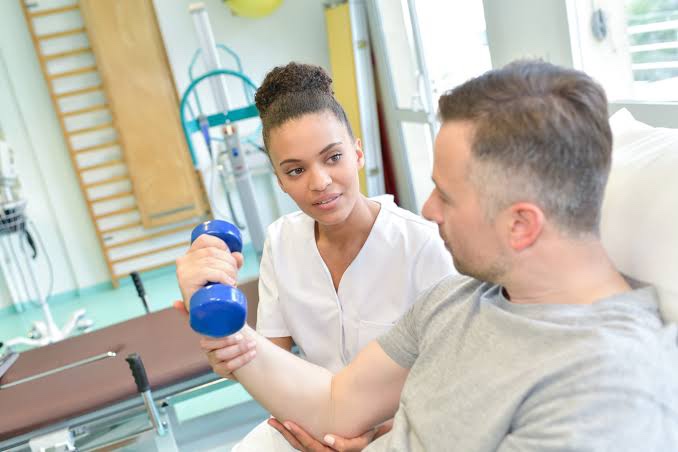
Greetings, everyone! Today, I want to share some thoughts on a subject that’s at the core of my profession – physiotherapy. As a physiotherapist, I’ve witnessed firsthand how this field is not just about treating injuries but enhancing every aspect of our lives. Allow me to delve into why I believe physiotherapy is so crucial.

1. Restoring Mobility and Function

At the heart of physiotherapy is the goal of restoring mobility and function. Whether it’s helping someone regain their strength after surgery or assisting a patient with a chronic condition to improve their daily life, we physiotherapists play a key role in optimizing physical abilities.

2. Pain Management

Pain can be a significant barrier to a fulfilling life. Through various techniques such as manual therapy, exercise, and modalities like heat or ice, we help individuals manage and even alleviate their pain, allowing them to enjoy life more fully.

3. Personalized Treatment Plans

What’s remarkable about physiotherapy is that we tailor our treatment plans to each patient’s unique needs. It’s not a one-size-fits-all approach. This personalized care ensures the best possible outcomes.

4. Preventing Recurrence

Prevention is often better than cure, and physiotherapy excels in this regard. By identifying risk factors and teaching patients proper body mechanics and exercises, we help them avoid future injuries or conditions.

5. Improving Quality of Life

It’s not just about addressing physical issues. Physiotherapy also has a profound impact on improving the overall quality of life. We empower individuals to live their lives to the fullest, whether that means returning to their favorite sports or simply being able to perform daily tasks with ease.

6. Patient Education

As physiotherapists, we are educators as much as we are therapists. We educate our patients about their conditions, treatment options, and how they can take an active role in their recovery and long-term well-being.

7. Collaborative Approach

Collaboration is key in healthcare. We work closely with other healthcare professionals, such as doctors and occupational therapists, to ensure a holistic approach to patient care. This teamwork leads to better outcomes for our patients.

8. Research and Innovation

The field of physiotherapy is constantly evolving. As physiotherapists, we stay up-to-date with the latest research and innovative techniques to provide the best possible care to our patients.

9. Empathy and Support

Beyond the physical aspects, we offer emotional support and empathy to our patients. We understand that healing is not just about the body; it’s about the mind and spirit as well.

10. Inspiring Others

As a physiotherapist, you have the unique opportunity to inspire individuals on their health and fitness journey. When patients see the progress they make under our guidance, it can motivate them to embrace a healthier lifestyle.

In conclusion, I’m incredibly proud to be a part of the world of physiotherapy. It’s not just a profession; it’s a calling to make a positive impact on people’s lives. If you haven’t explored how physiotherapy can benefit you or a loved one, I encourage you to do so. It’s a powerful tool for enhancing the quality of life and achieving your physical goals. Together, as physiotherapists and patients, we can embark on a journey toward better health and well-being.

Understanding Guillain-Barré Syndrome (GBS), Physiotherapy’s Vital Role, and Patient Expectations: Dispelling Myths.

Guillain-Barré Syndrome (GBS) is a rare autoimmune disorder that targets the peripheral nervous system. Physiotherapy is pivotal in the management of GBS:

  1. Early Intervention: Physiotherapists assess muscle strength, mobility, and function, tailoring exercise plans to prevent muscle atrophy and joint contractures.
  2. Mobility Restoration: GBS often leads to muscle weakness. Physiotherapy endeavors to regain mobility, initially through passive range-of-motion exercises and, when possible, assisted ambulation.
  3. Respiratory Care: GBS can affect respiratory muscles, potentially necessitating mechanical ventilation. Physiotherapists assist with breathing exercises and airway clearance techniques.
  4. Pain Management: Physiotherapists employ manual therapy and positioning to alleviate pain, ensuring comfort throughout rehabilitation.
  5. Expectation of Rehabilitation: Patients should anticipate a gradual recovery process, with durations varying from months to years. Patience and persistence are key.
  6. Debunking Myths: GBS isn’t contagious; it results from an autoimmune response. Outcomes vary; not all patients fully recover. Timely medical intervention is imperative.
  7. Comprehensive Care: Rehabilitation involves a multidisciplinary team including physiotherapists, occupational therapists, and physicians collaborating for optimal recovery.
  8. Emotional Support: Patients may experience anxiety and depression during rehabilitation. Physiotherapists provide emotional support alongside physical care, fostering holistic recovery.

In summary, physiotherapy’s role in GBS centers on mobility restoration, pain management, and holistic care. Patients should maintain realistic expectations, understanding that recovery is a gradual journey. Dispelling myths promotes awareness and reduces stigma surrounding GBS.

Exercise: The Free Medicine That Requires a Qualified Prescription.

Introduction: In a world where healthcare costs are on the rise, and access to medical treatments can be challenging, there exists a powerful, yet often overlooked, remedy that is readily available to all: exercise. Indeed, exercise can be considered “free medicine” for our bodies, but just like any medication, it should be prescribed by a qualified professional. In this blog post, we will explore the importance of exercise and why it’s crucial to seek guidance from qualified experts like physiotherapists and exercise physiologists.

The Power of Exercise: Exercise is not just about building a great physique or losing weight. It’s a holistic approach to health and well-being that can address a myriad of physical and mental health issues. Here are some of the benefits:

  1. Physical Health:
    • Improved cardiovascular health
    • Stronger muscles and bones
    • Enhanced flexibility and balance
    • Weight management
  2. Mental Health:
    • Reduced stress and anxiety
    • Enhanced mood and self-esteem
    • Better sleep quality
    • Improved cognitive function
  3. Chronic Disease Management:
    • Exercise can help manage conditions like diabetes, hypertension, and arthritis.
    • It can reduce the risk of heart disease and certain types of cancer.

The Importance of Qualified Guidance: While exercise has numerous benefits, it’s essential to remember that not all forms of exercise are suitable for everyone, and improper exercise can lead to injuries. This is where qualified professionals like physiotherapists and exercise physiologists come into play.

  1. Physiotherapists:
    • Physiotherapists are experts in assessing and treating musculoskeletal conditions.
    • They can create personalized exercise plans that consider your specific needs and limitations.
    • If you have an injury or chronic pain, a physiotherapist can guide you through a rehabilitation program.
  2. Exercise Physiologists:
    • Exercise physiologists specialize in exercise prescription and lifestyle interventions.
    • They can help individuals with chronic diseases, disabilities, or specific fitness goals.
    • They design safe and effective exercise programs based on your medical history and physical condition.

The Personalized Prescription: Receiving a personalized exercise prescription from a qualified professional ensures that you’re engaging in activities that are safe and tailored to your unique circumstances. They consider factors such as your age, fitness level, medical history, and any existing health conditions. This guidance helps prevent injuries and maximizes the health benefits you’ll gain from exercise.

Conclusion: Exercise is indeed a powerful form of “free medicine” that can significantly enhance your overall health and well-being. However, just like any medicine, it should be prescribed and monitored by qualified experts like physiotherapists and exercise physiologists. Their expertise ensures that your exercise regimen is safe, effective, and tailored to your individual needs, allowing you to reap the full benefits of this invaluable remedy. So, consult a professional and start your journey towards a healthier and happier life through the prescription of exercise.

Unlocking Your Full Potential: Embrace a Healthier Life with ActiveZone Physiotherapy Clinic.

Welcome to ActiveZone Physiotherapy Clinic! Our dedicated team of physiotherapists is committed to helping you achieve your health and wellness goals. We understand that your journey to better health, improved mobility, and a pain-free life is unique, and we’re here to guide you every step of the way.

Physiotherapy is not just a treatment; it’s a pathway to a healthier life. At ActiveZone, we specialize in harnessing the power of physiotherapy to address a wide range of conditions, from sports injuries and chronic pain to post-operative recovery.

Personalized Assessment: We start by conducting a thorough assessment of your unique needs, lifestyle, and goals. This assessment forms the foundation of your personalized treatment plan.

Tailored Treatment Plans: Based on your assessment, we create customized treatment plans. These plans may include exercises, manual therapy, and modalities designed to optimize your recovery.

Our expertise extends to managing various conditions, including sports injuries, chronic pain, and post-operative care. Whether you’re a professional athlete looking to get back in the game or someone dealing with persistent pain, we have the knowledge and experience to help you regain your quality of life.

We believe in a holistic approach to health. It’s not just about treating symptoms; it’s about fostering your overall well-being. Our clinic recognizes the interconnectedness of physical and mental health, offering support for mental well-being alongside physical therapy.

Beyond treatment, we empower you with knowledge and exercises to prevent future injuries and maintain optimal health. We want you to not only recover but thrive in your daily life.

At ActiveZone Physiotherapy Clinic, your well-being is our priority. Our team consists of highly skilled and experienced physiotherapists who stay updated with the latest advancements in their field. We approach your care with empathy and respect because we understand that every patient is unique. Our ultimate goal is to help you achieve your health and fitness goals so you can enjoy life to the fullest.

If you’re ready to take the first step toward a healthier, more active life, look no further than ActiveZone Physiotherapy Clinic. Let us be your partner in unlocking your full potential and living pain-free. Contact us today at 0742078333 to schedule your initial assessment and embark on a journey to better health with us. Your well-being is our passion, and we’re here to support you every step of the way.

LIFE AFTER STROKE AND BENEFITS OF REHABILITATION

Life after a stroke can be challenging, but physiotherapy and rehabilitation play crucial roles in recovery. Here are some insights and benefits, along with activities that can be done at home:

  1. Physiotherapy Insights:
    • Early Intervention: Starting physiotherapy as soon as possible after a stroke can improve outcomes.
    • Customized Plans: Physiotherapists design individualized exercise plans to address specific impairments.
    • Mobility Improvement: Focus on regaining strength, balance, and coordination.
    • Functional Goals: Work towards restoring the ability to perform daily activities.
  2. Rehabilitation Benefits:
    • Motor Function Improvement: Rehabilitation helps regain control over affected muscles and limbs.
    • Prevent Complications: It reduces the risk of complications like muscle contractures and pressure sores.
    • Enhanced Independence: Rehabilitation aims to maximize independence in daily life.
    • Quality of Life: It can improve overall quality of life and well-being.
  3. At-Home Activities:
    • Range of Motion Exercises: Gently move affected limbs through their full range of motion daily.
    • Strength Training: Use resistance bands or light weights for strength exercises.
    • Balance and Coordination: Practice standing on one leg or walking with support if necessary.
    • Walking: Gradually increase the distance and frequency of short walks.
    • Speech Therapy: If needed, engage in speech exercises and practice communication skills.
  4. Safety First:
    • Always prioritize safety. Use assistive devices like canes or walkers as recommended.
    • Have a caregiver or support system nearby when attempting new exercises.
    • Consult with a healthcare professional or physiotherapist regularly to adjust your plan.
  5. Mental Health: Don’t underestimate the importance of mental health. Engage in activities that reduce stress, such as meditation or relaxation exercises.

Remember, recovery from a stroke varies from person to person. It’s crucial to work closely with rehab specialists to create personalized rehabilitation plan and to monitor progress. Consistency and patience are key in the journey towards improved function and quality of life after a stroke.

PHYSICAL ACTIVITY BENEFITS TO PEOPLE WITH HYPERTENSION.

  1. Blood Pressure Control: Regular physical activity can help lower and control blood pressure. It can lead to a reduction in both systolic and diastolic blood pressure readings.
  2. Weight Management: Exercise can assist in weight loss or weight maintenance, which is crucial for hypertension management. Losing excess weight can lead to a significant reduction in blood pressure.
  3. Improved Cardiovascular Health: Physical activity strengthens the heart and improves its efficiency. It can also reduce the risk of heart diseases, which often accompany hypertension.
  4. Stress Reduction: Exercise is an excellent stress reliever. Lowering stress levels can indirectly contribute to better blood pressure management.
  5. Enhanced Endothelial Function: Exercise can improve the function of the endothelium, the inner lining of blood vessels, leading to better blood flow and reduced blood pressure.
  6. Lowered Risk of Complications: Regular physical activity can decrease the risk of complications associated with hypertension, such as stroke, heart attack, and kidney disease.
  7. Medication Complement: For some individuals, exercise may allow for a reduction in the dosage of antihypertensive medications or even eliminate the need for them under a doctor’s supervision.

It’s essential for individuals with hypertension to consult their healthcare provider before starting any new exercise program to ensure that it’s safe and appropriate for their specific condition. The type, duration, and intensity of exercise should be tailored to the individual’s needs and capabilities.

INTERGRATING PHYSIOTHERAPY AND REHABILITATION SERVICES INTO THE KENYAN RURAL AREAS.

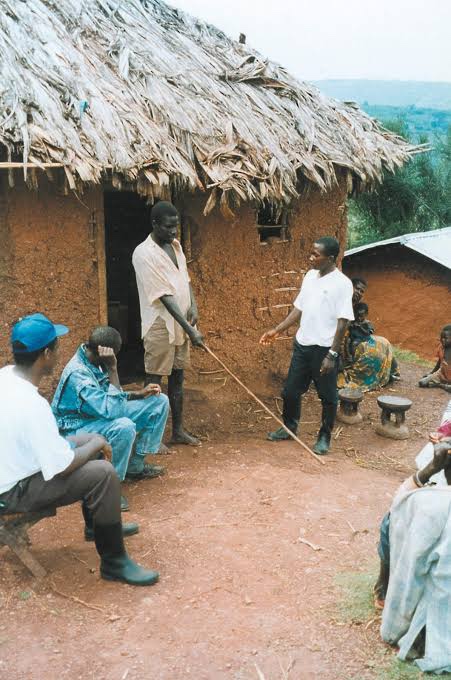
Integrating physiotherapy into rural Kenyan areas requires a thoughtful approach that considers the unique challenges and needs of these communities. Here are some steps that can be taken:

  1. Assessment of Needs: Conduct a comprehensive assessment of the healthcare needs in rural Kenyan areas. Identify common musculoskeletal issues, disabilities, and conditions that could benefit from physiotherapy.
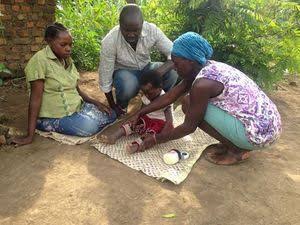
  2. Training Local Healthcare Workers: Train local healthcare workers, such as community health workers or nurses, in basic physiotherapy techniques. This can help bridge the gap in access to specialized care.
  3. Mobile Clinics: Establish mobile physiotherapy clinics that can travel to remote areas on a regular basis. These clinics can provide assessments, treatments, and education on injury prevention and rehabilitation.
  4. Telehealth and Tele-rehabilitation: Utilize telehealth technology to connect rural patients with physiotherapists in urban centers. This can facilitate remote consultations, exercise guidance, and progress monitoring.
  5. Community Education: Conduct awareness campaigns and educational programs in rural communities to promote the importance of physiotherapy in managing and preventing injuries and disabilities.
  6. Local Partnerships: Collaborate with local NGOs, community organizations, and government agencies to build sustainable physiotherapy services. This can involve sharing resources and expertise.
  7. Affordable Services: Ensure that physiotherapy services are affordable and accessible to the rural population. Explore subsidy programs or partnerships with health insurance providers.
  8. Cultural Sensitivity: Respect local customs and traditions when delivering healthcare services. It’s important to consider cultural beliefs and practices that may influence healthcare decisions.
  9. Infrastructure Improvement: Work on improving transportation and infrastructure in rural areas to make it easier for both patients and healthcare providers to access physiotherapy services.
  10. Data Collection and Research: Continuously collect data on the impact of physiotherapy services in rural areas. Research can help refine strategies and demonstrate the effectiveness of these interventions.
  11. Advocacy: Advocate for policies that support the integration of physiotherapy into rural healthcare systems. This includes lobbying for increased funding and recognition of the profession.
  12. Community Involvement: Involve local communities in the planning and decision-making process. Engage community leaders and members to ensure that services are culturally appropriate and accepted.

By taking a holistic approach that combines education, technology, infrastructure development, and community engagement, it’s possible to integrate physiotherapy effectively into rural Kenyan areas and improve the quality of life for residents.

Community education

SATURDAY NIGHT PALSY

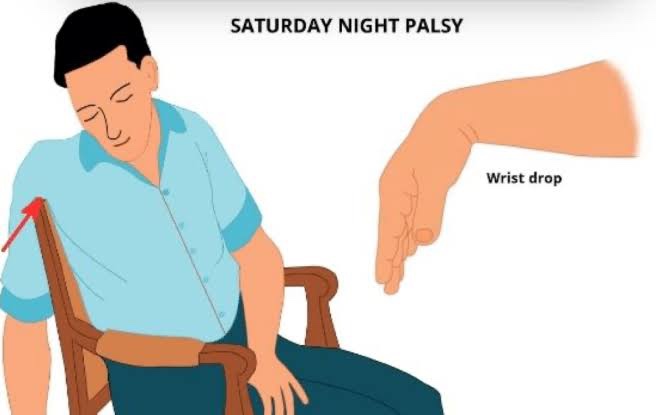
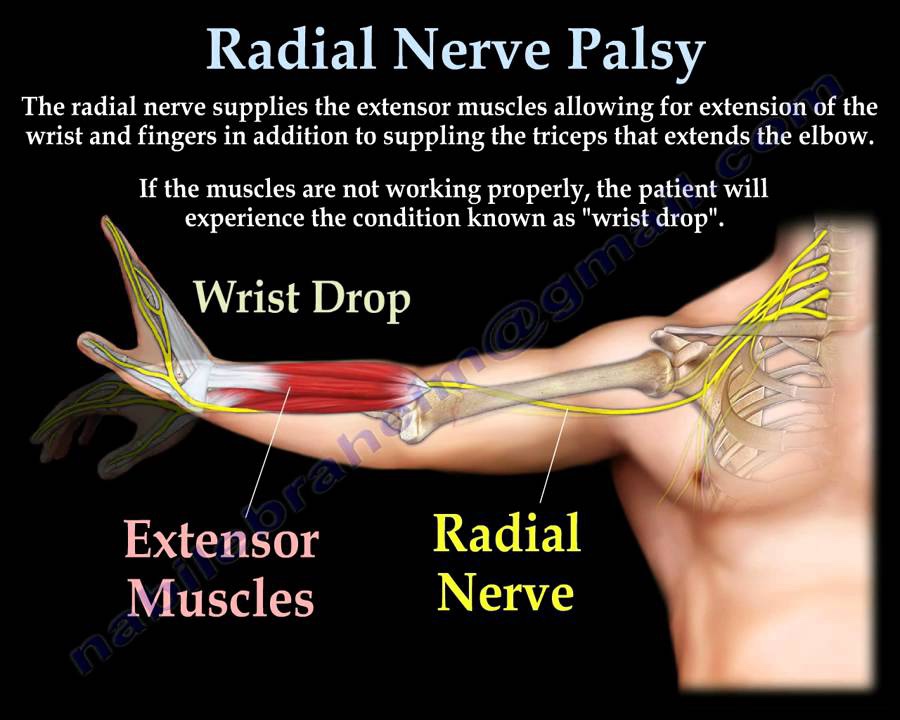
Saturday night palsy, also known as radial nerve palsy, typically occurs when there’s pressure or injury to the radial nerve in the arm, often from prolonged compression during sleep. Physiotherapy can be a valuable part of its management. Here’s how:

  1. Assessment: A physiotherapist will assess the extent of nerve damage and the affected muscles’ strength and function.
  2. Education: Patients are educated about the condition, its causes, and potential complications.
  3. Splinting: A brace or splint may be recommended to support the wrist and hand in a functional position to prevent further nerve compression during sleep.
  4. Range of Motion Exercises: Gentle exercises are prescribed to maintain and improve joint flexibility while avoiding overstretching that could exacerbate nerve damage.
  5. Strengthening Exercises: Targeted exercises help regain muscle strength. Isometric exercises are initially used to avoid overloading the damaged nerve.
  6. Nerve Gliding Exercises: These aim to gently mobilize the radial nerve and its surrounding tissues to promote healing and prevent adhesions.
  7. Modalities: Techniques like electrical stimulation or ultrasound may be used to reduce pain and inflammation.
  8. Functional Training: Patients are guided through tasks that mimic their daily activities, helping them regain independence and confidence.
  9. Home Exercise Program: Physiotherapists often provide patients with a customized home exercise program to continue rehabilitation between sessions.
  10. Progress Assessment: Regular follow-up assessments help track progress and adjust the treatment plan accordingly.

It’s essential to consult with a healthcare professional, such as a physiotherapist, to receive an accurate diagnosis and an appropriate treatment.

PHYSIOTHERAPISTS AS CHAMPIONS OF CLIMATE CHANGE

Climate change is an undeniable global crisis, affecting every facet of our lives, including human health and well-being. While it may not be immediately obvious, physiotherapists have a unique role to play as champions of climate change. As healthcare professionals dedicated to improving the physical function and mobility of individuals, they can make a significant impact on the environment by incorporating sustainable practices into their profession. In this blog, we’ll explore how physiotherapists can become advocates for climate change and contribute to building a healthier, greener future.

Promoting Active Transportation
Physiotherapists can lead by example by promoting active transportation methods like walking, cycling, or using public transport. Encouraging their patients and colleagues to adopt these eco-friendly modes of travel not only reduces carbon emissions but also fosters a culture of physical activity, leading to improved overall health.

Sustainable Clinic Operations
Physiotherapy clinics can implement eco-friendly practices to reduce their environmental footprint. Simple measures like energy-efficient lighting, recycling programs, and reducing paper waste can make a difference. Additionally, adopting telehealth solutions for certain appointments can help cut down on travel-related emissions.

Advocating for Green Spaces
Physiotherapists can advocate for the creation and preservation of green spaces within their communities. Parks and green areas provide opportunities for physical activity, relaxation, and mental well-being, while also serving as carbon sinks that absorb greenhouse gases.

Integrating Climate Change Education
Education is a powerful tool, and physiotherapists can use it to raise awareness about climate change and its impact on health. They can integrate climate-related discussions into their patient interactions, emphasizing the importance of a healthy environment in supporting overall well-being.

Encouraging Sustainable Lifestyle Choices
Beyond the clinic, physiotherapists can encourage their patients to adopt sustainable lifestyle choices. This could include discussing the benefits of a plant-based diet, reducing single-use plastic consumption, and engaging in eco-conscious practices at home and work.

Supporting Research and Innovation


Physiotherapists can actively support and participate in research that investigates the intersection of climate change and health. By contributing to this growing body of knowledge, they can identify and address specific challenges related to climate change that impact mobility, physical health, and rehabilitation.

Collaborating with Other Healthcare Professionals
Climate change is a complex issue that requires collaborative efforts from all healthcare sectors. Physiotherapists can collaborate with other professionals to develop interdisciplinary approaches to address the health impacts of climate change and advocate for sustainable policies.


In conclusion as physiotherapists, the health and well-being of our patients have always been our primary focus. However, it is crucial to recognize that a healthy environment is fundamental to achieving this goal. By championing climate change and incorporating sustainable practices into our profession, we can make a positive impact on the planet while ensuring the long-term health of our communities. Let us take up the mantle of change and lead the way towards a greener, healthier future for generations to come.

THE VITAL ROLE OF PHYSIOTHERAPY IN ENHANCING HEALTH AND WELLNESS FOR KENYA’S POPULATION.

In Kenya, a nation of diverse landscapes and cultures, the importance of physiotherapy cannot be overstated. With a rapidly growing population and increasing demands on healthcare services, physiotherapy has emerged as a crucial discipline that plays a pivotal role in promoting health, rehabilitation, and improved quality of life for Kenyans. In this blog, we will explore the significance of physiotherapy and its multifaceted benefits for the people of Kenya.

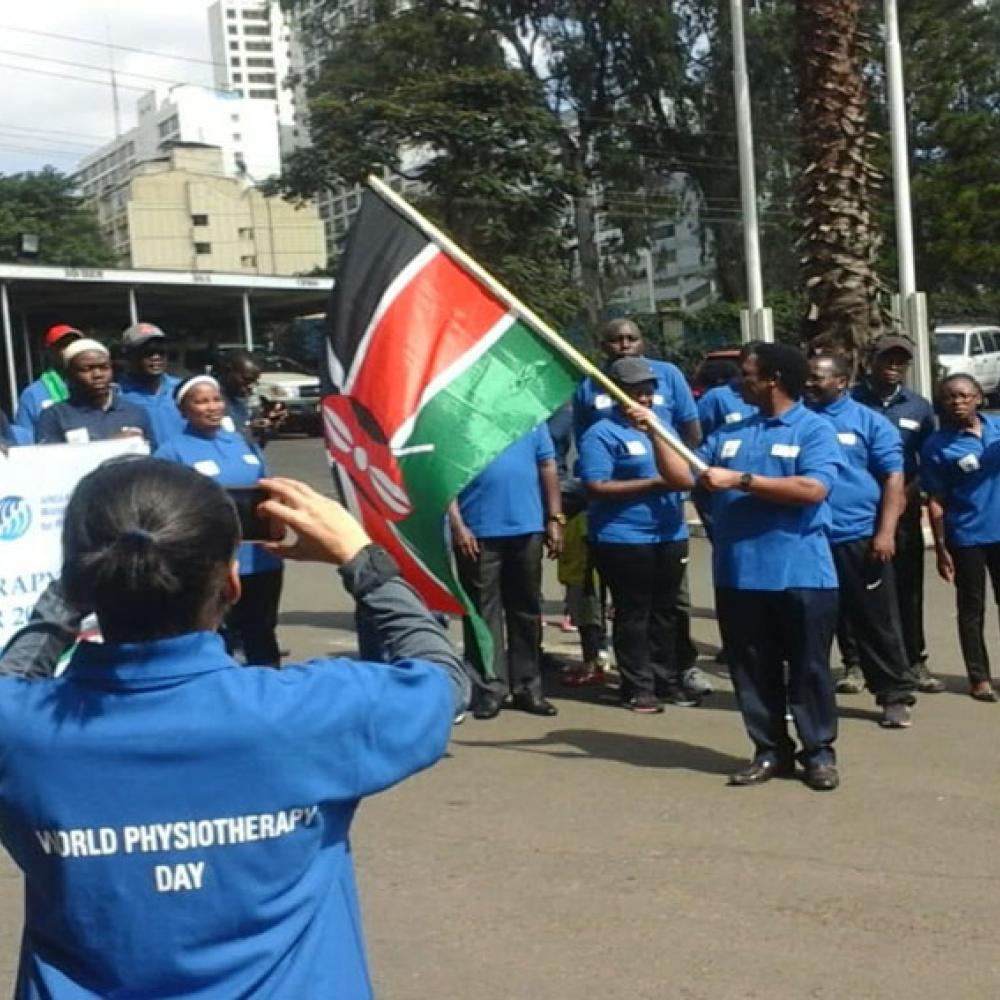
Kenyan Physiotherapists celebrating World Physiotherapy Day.
©KSP
  1. Addressing Musculoskeletal Conditions:

Musculoskeletal disorders, such as back pain, arthritis, and sports injuries, are prevalent across all age groups in Kenya. Physiotherapy offers non-invasive and drug-free solutions to manage and treat these conditions. Skilled physiotherapists can design personalized exercise programs and manual therapies to alleviate pain, restore mobility, and enhance the overall function of the affected body parts. By helping individuals avoid unnecessary surgeries or reduce their reliance on medications, physiotherapy contributes to reducing the burden on the country’s healthcare system.

  1. Empowering Individuals with Disabilities:

Kenya is home to a significant number of people living with disabilities, including those caused by accidents, congenital conditions, or disease. Physiotherapy plays a vital role in empowering these individuals to lead independent lives. Through tailored rehabilitation programs, physiotherapists can assist in enhancing mobility, balance, and coordination, enabling people with disabilities to participate actively in their communities and pursue employment opportunities.

  1. Supporting Women’s Health:

Women’s health is an integral aspect of overall societal well-being. Physiotherapy offers specialized services in addressing issues specific to women, such as pregnancy-related back pain, pelvic floor dysfunction, and postpartum recovery. By providing expert guidance and exercises, physiotherapists can significantly improve the comfort and health of expectant and new mothers, positively impacting the lives of families throughout the country.

  1. Enhancing Sports Performance:

Sports hold a special place in the hearts of Kenyans, who have excelled in various disciplines on the international stage. To excel in sports and prevent injuries, athletes often rely on physiotherapy services. Sports physiotherapists can help optimize athletes’ performance, design injury prevention programs, and aid in swift and effective rehabilitation when injuries occur. By supporting the country’s sporting talents, physiotherapy contributes to the growth of sports culture and national pride.

  1. Managing Chronic Conditions:

Chronic health conditions, such as diabetes, hypertension, and cardiovascular diseases, are on the rise in Kenya due to changing lifestyles and dietary habits. Physiotherapy complements medical interventions by offering exercise and lifestyle modification programs to manage these conditions better. Regular physical activity under the guidance of a physiotherapist can improve blood circulation, regulate blood sugar levels, and enhance overall cardiovascular health, reducing the risk of complications and improving the quality of life for patients.

  1. Aiding in Elderly Care:

As the Kenyan population ages, the demand for geriatric care increases. Elderly individuals often face challenges related to mobility, balance, and falls, leading to a decline in their independence. Physiotherapy interventions can significantly improve the functional abilities of older adults, allowing them to live comfortably and safely in their homes for longer. Additionally, physiotherapists can educate caregivers on proper techniques for assisting older adults, preventing injuries and promoting their well-being.

In conclusion, physiotherapy has become an indispensable aspect of healthcare in Kenya, catering to a wide range of individuals with diverse health needs. From addressing musculoskeletal conditions and empowering people with disabilities to supporting women’s health and enhancing sports performance, the benefits of physiotherapy are vast and far-reaching. By embracing and promoting physiotherapy services, Kenya can lay the foundation for a healthier, happier, and more prosperous nation, where individuals of all ages can thrive and contribute to the country’s growth and development.