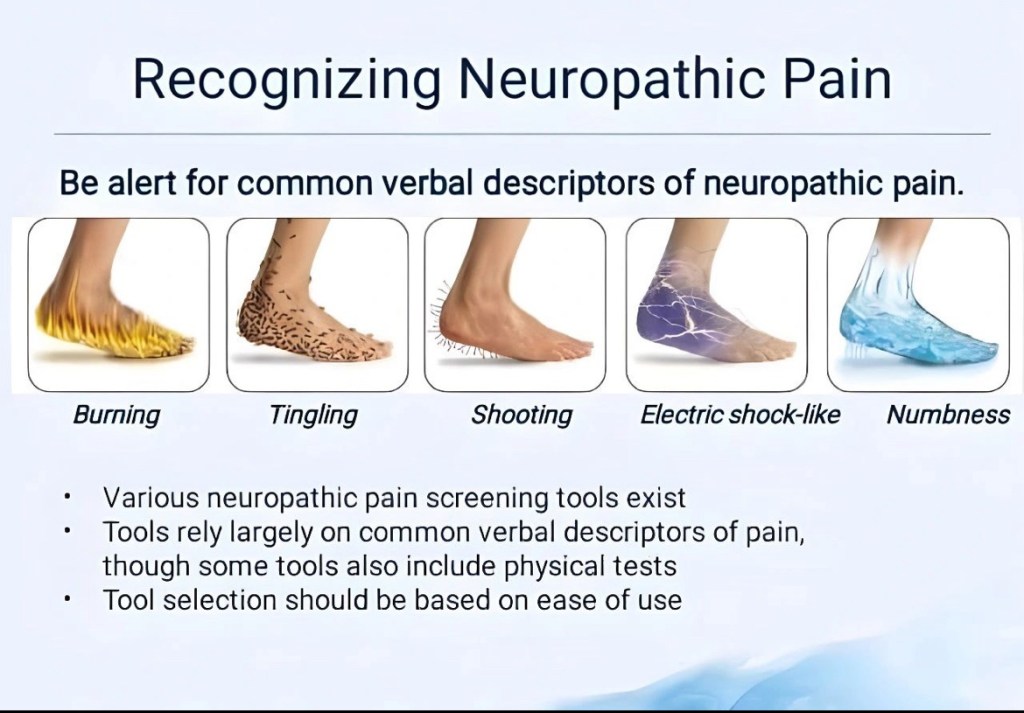
Neuropathic pain, stemming from nerve damage or dysfunction, presents a unique challenge in healthcare. Let’s delve into its types and explore effective physical therapy protocols:
Types of Neuropathic Pain:
- Peripheral Neuropathy:
Resulting from damage to peripheral nerves, often due to conditions like diabetes, peripheral neuropathy manifests as tingling, numbness, or shooting pain in extremities. - Central Neuropathic Pain:
Arising from dysfunction in the central nervous system (brain or spinal cord), central neuropathic pain can occur post-stroke, spinal cord injury, or conditions like multiple sclerosis. It’s characterized by constant burning, electric shocks, or stabbing sensations. - Complex Regional Pain Syndrome (CRPS):
CRPS typically follows trauma or injury, leading to severe, continuous pain disproportionate to the initial injury. It’s often accompanied by changes in skin color, temperature, and swelling.
Physical Therapy Protocols:
- Exercise Therapy:
Tailored exercises focusing on flexibility, strength, and mobility help alleviate neuropathic pain. Activities like yoga, Pilates, and tai chi improve circulation, reduce muscle tension, and enhance overall function. - Manual Therapy:
Techniques such as massage, joint mobilization, and soft tissue manipulation target specific areas of pain, promoting relaxation, reducing inflammation, and improving nerve function. - Modalities:
Modalities like TENS, ultrasound, and heat/cold therapy provide pain relief by modulating nerve activity, reducing inflammation, and promoting tissue healing. - Education and Lifestyle Modifications:
Patient education about neuropathic pain, pain management techniques, and lifestyle adjustments (ergonomics, activity pacing) empower individuals to better manage their symptoms and improve quality of life. - Psychological Support:
Addressing the psychological impact of neuropathic pain through techniques like cognitive-behavioral therapy (CBT) and relaxation methods is crucial for comprehensive pain management. - Aquatic Therapy:
Water-based exercises offer pain relief, improve mobility, and strengthen muscles without excessive joint stress, making them ideal for individuals with neuropathic pain.
By combining these physical therapy interventions with medical management and a multidisciplinary approach, we can effectively manage neuropathic pain and enhance the well-being of those affected.

 Alex Omweri