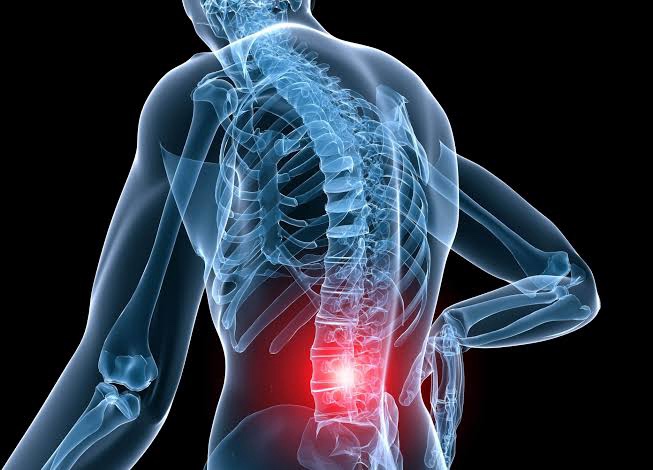
Low back pain is a prevalent issue that affects a significant portion of the population, impacting daily activities and quality of life. From a physiotherapy perspective, it’s crucial to delve into the complexities of this condition, exploring its definition, symptoms, causes, assessment tools, treatment strategies, and prognosis.
Definition:
Low back pain is characterized by discomfort, tension, or pain localized between the ribcage and the gluteal folds. It can be acute or chronic, with varying degrees of severity. Understanding the specific nature of the pain is essential for tailoring effective physiotherapeutic interventions.
Symptoms:
Symptoms of low back pain can range from localized discomfort to radiating pain, often accompanied by stiffness, muscle spasms, and reduced range of motion. Patients may also experience numbness or tingling in the lower extremities, contributing to the complexity of the condition.
Causes:
Several factors contribute to low back pain, including poor posture, muscle imbalances, herniated discs, spinal stenosis, or underlying medical conditions. Lifestyle factors such as sedentary behavior, improper lifting techniques, and obesity can exacerbate the risk of developing low back pain.

Evaluation or Assessment Tools:
Physiotherapists employ a variety of assessment tools to diagnose and understand the root causes of low back pain. This includes thorough patient history, physical examinations, and specific tests to evaluate flexibility, strength, and neurological function. Advanced tools like imaging studies may be utilized when necessary for a comprehensive assessment.
Treatment:
Physiotherapy plays a pivotal role in the treatment of low back pain. Interventions often include targeted exercises to improve strength and flexibility, manual therapy techniques to address soft tissue restrictions, and education on posture and body mechanics. Modalities such as heat or cold therapy may be incorporated for pain management.
Prognosis:
The prognosis for low back pain varies based on the individual and the underlying causes. Physiotherapy interventions aim not only to alleviate pain but also to prevent its recurrence. With a good treatment plan and patient compliance, many individuals can experience significant improvement in symptoms and a return to a more functional and pain-free life.
In conclusion, approaching low back pain from a physiotherapy perspective involves a comprehensive understanding of its definition, symptoms, causes, assessment tools, treatment strategies, and prognosis. Physiotherapists play a crucial role in helping individuals manage and overcome the challenges posed by low back pain, promoting optimal musculoskeletal health and overall well-being.


 Alex Omweri