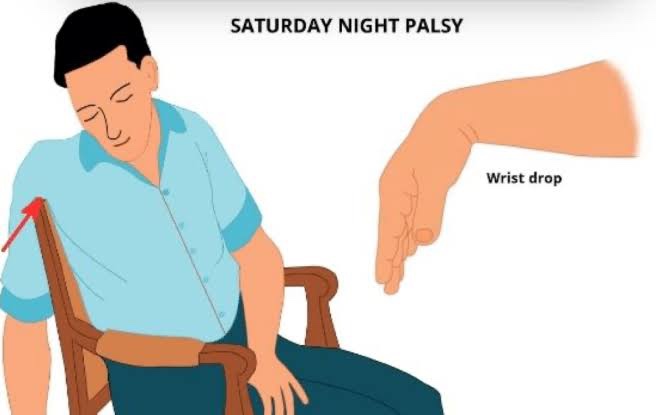
Saturday night palsy, also known as radial nerve palsy, typically occurs when there’s pressure or injury to the radial nerve in the arm, often from prolonged compression during sleep. Physiotherapy can be a valuable part of its management. Here’s how:
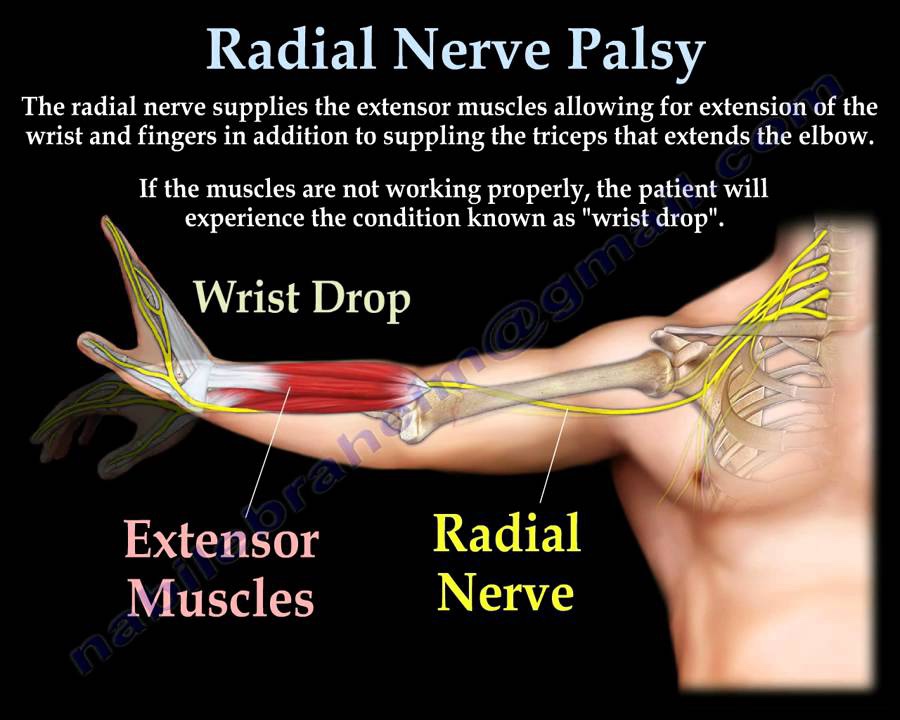
- Assessment: A physiotherapist will assess the extent of nerve damage and the affected muscles’ strength and function.
- Education: Patients are educated about the condition, its causes, and potential complications.
- Splinting: A brace or splint may be recommended to support the wrist and hand in a functional position to prevent further nerve compression during sleep.
- Range of Motion Exercises: Gentle exercises are prescribed to maintain and improve joint flexibility while avoiding overstretching that could exacerbate nerve damage.
- Strengthening Exercises: Targeted exercises help regain muscle strength. Isometric exercises are initially used to avoid overloading the damaged nerve.
- Nerve Gliding Exercises: These aim to gently mobilize the radial nerve and its surrounding tissues to promote healing and prevent adhesions.
- Modalities: Techniques like electrical stimulation or ultrasound may be used to reduce pain and inflammation.
- Functional Training: Patients are guided through tasks that mimic their daily activities, helping them regain independence and confidence.
- Home Exercise Program: Physiotherapists often provide patients with a customized home exercise program to continue rehabilitation between sessions.
- Progress Assessment: Regular follow-up assessments help track progress and adjust the treatment plan accordingly.
It’s essential to consult with a healthcare professional, such as a physiotherapist, to receive an accurate diagnosis and an appropriate treatment.

 Alex Omweri