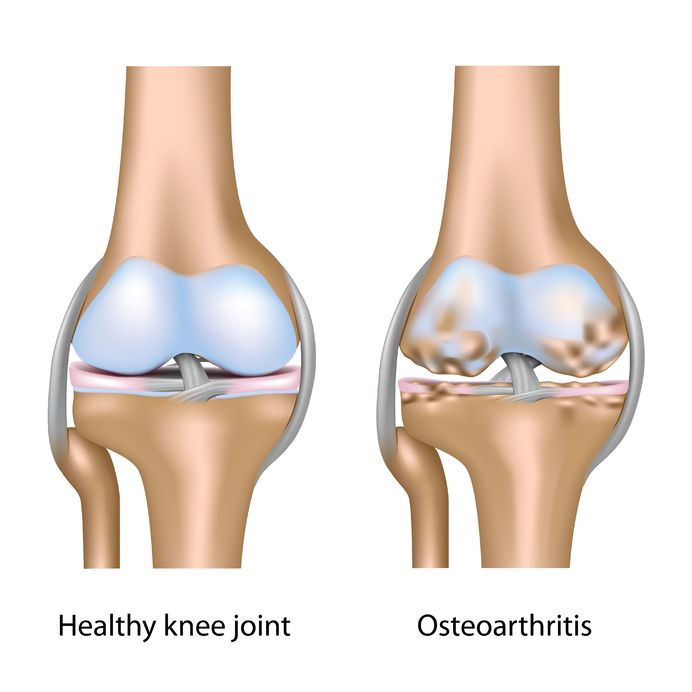
Physiotherapy plays a crucial role in the management of knee osteoarthritis, a common degenerative joint condition that affects millions of people worldwide. Knee osteoarthritis is characterized by the gradual breakdown of cartilage in the knee joint, leading to pain, stiffness, and reduced mobility. While there is no cure for osteoarthritis, physiotherapy aims to improve the quality of life for individuals suffering from this condition by reducing pain, enhancing joint function, and increasing strength and flexibility.
The physiotherapy management of knee osteoarthritis typically includes the following components:
Assessment and Individualized Treatment Plan:
The first step in physiotherapy management is a thorough assessment by a qualified physiotherapist. They will evaluate the patient’s medical history, the severity of osteoarthritis, the level of pain, joint function, muscle strength, and overall physical condition. Based on this assessment, a personalized treatment plan is developed to address the specific needs and goals of the patient.
Pain Management:
Controlling pain is a primary objective in knee osteoarthritis management. Physiotherapists may use various modalities such as ice or heat therapy, ultrasound, or transcutaneous electrical nerve stimulation (TENS) to alleviate pain and reduce inflammation in the affected knee joint.
Exercise Therapy:
Exercise is a cornerstone of physiotherapy for knee osteoarthritis. Specific exercises are prescribed to improve muscle strength, flexibility, and joint stability. These exercises may include:
Range of motion exercises: To improve the knee joint’s mobility and flexibility.
Strengthening exercises: Targeting the muscles around the knee, including the quadriceps and hamstrings, to provide better support and stability to the joint.
Low-impact aerobic exercises: Activities like walking, swimming, or cycling that improve cardiovascular fitness without putting excessive stress on the knee joint.
Balance and proprioception exercises: To enhance balance and body awareness, reducing the risk of falls and injury.
Manual Therapy:
Physiotherapists may use hands-on techniques such as joint mobilization and soft tissue manipulation to improve joint function, reduce stiffness, and enhance overall mobility.
Assistive Devices:
The use of assistive devices like knee braces or orthotics may be recommended to provide additional support to the knee joint and alleviate stress during daily activities.
Patient Education:
Educating the patient about knee osteoarthritis, its progression, and self-management strategies is crucial. Physiotherapists can provide guidance on lifestyle modifications, proper body mechanics, and techniques for pain management to empower patients in their journey of coping with osteoarthritis.
Home Exercise Program:
To ensure consistent progress, patients are often provided with a tailored home exercise program. This empowers individuals to continue their exercises independently between physiotherapy sessions and maintain the gains achieved during therapy.
Long-term Management and Prevention:
Knee osteoarthritis is a chronic condition, and its management is a long-term process. Regular follow-ups with the physiotherapist help track progress, make adjustments to the treatment plan as needed, and prevent potential complications.
Overall, physiotherapy management of knee osteoarthritis aims to enhance the patient’s overall function and quality of life by reducing pain, improving joint function, and increasing strength and mobility. It is essential to consult a qualified physiotherapist for a personalized approach tailored to individual needs and capabilities.

 Alex Omweri