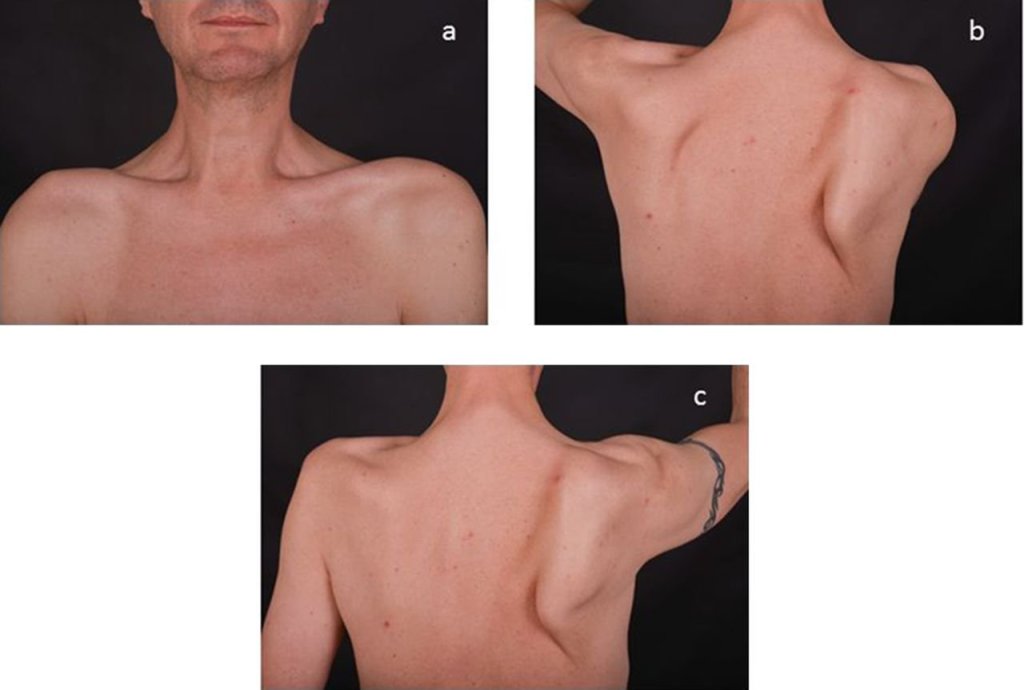
Flaccidity refers to a complete lack of voluntary movement after stroke. It’s a severe condition.
Some survivors only experience flaccidity in the early stages of recovery while others must work to overcome this condition during the later stages.
Fortunately, recovery can be pursued no matter how much time has passed since your stroke!
During the flaccid stage, it is important to keep the arm supported and positioned well. Elevation, manual edema mobilization, and compression garments can be used to help with hand/forearm edema. Pillows or a tray can help support the weak arm. Slings are an option, but I don’t personally like slings because they immobilize the arm and often cause poor positioning and alignment. If I do use a sling, it’s usually only when a patient with a flaccid arm is walking so that the arm does not hang heavily by the patient’s side.
As far as exercises, it is important to do passive range of motion to help increase awareness of the flaccid arm and keep joints from becoming stiff. The main precaution is to be careful with overhead range of motion and only move the shoulder in a pain-free range. If the patient is unable to do passive range, the caregiver can do it.
Other exercises that should be performed involve weight bearing, facilitation, and trying to elicit movement through gravity eliminated or assisted planes. Weight bearing is important to help bones from becoming weak and can help with muscle strengthening once the patient can support some of the weight. Facilitation and use of gravity reduced planes can help elicit weak movement.
Facilitation can be done by tapping the muscles to try an initiate movement or by using electrical stimulation.
I continually advise my patients to keep doing their therapy sessions with Physios and Occupational therapists so that they can achieve more with time.
Always a thorough assessments from a PT or OT is recommended so that we can maximize treatment options for the flaccidity.

 Alex Omweri